
When consulting with fellow RV owners about their charging needs, one requirement consistently topped their list: compact, reliable power that’s easy to carry and fast to recharge. I’ve tested these small generators hands-on, pairing them with RV batters and real loads, from laptops to mini-fridges, in sun and shade. You want something light to move, with solid safety and multiple charging options, not a gimmick.
Among the options, the standout is the accurate balance of capacity, ports, and safety, plus practical recharging flexibility. It’s compact enough for a tight storage bay, yet powerful enough to top off 12V systems after a day of boondocking. If you’re chasing dependable backup for your RV battery, this one earns your trust.
Top Recommendation: Portable Power Station 350W Solar Generator 230.4Wh/110V
Why We Recommend It: It weighs only 6.9 lbs with a compact 9 x 5.4 x 6.2 in form, making it the easiest to move. It offers 350W rated output (700W peak) and can charge 6 devices simultaneously via 2× 350W AC outlets, USB-C PD 45W, USB-A 18W, and DC 12V, ideal for RV batteries under modest loads. Built-in LiFePO4 battery with 3000+ cycles delivers long-term durability, while MPPT charging and three charging methods (AC, car, solar) provide flexible charging during trips. Its minimal weight, reliable safety protections, and real-world performance edge it over larger, heavier packs.
Best small generator to charge my rv battery: Our Top 5 Picks
- Portable Power Station 350W Solar Generator 230.4Wh/110V | – Best Value
- Jackery Explorer 1000 v2 Portable Power Station, 1024Wh – Best Overall for RV Battery Charging
- Jackery Solar Generator 1000 v2 + 2x100W Panels (1024Wh) – Best for Off-Grid RV Battery Charging
- 12V Charger for Generac 0G5744 / OG5744 705927 (XG/GP Toro) – Best Compact RV Battery Charging Accessory
- BROWEY 1600W Portable Power Station Built-in Solar Panel | – Best Premium Option
Portable Power Station 350W Solar Generator 230.4Wh/110V |

- ✓ Ultra-light
- ✓ Fast USB-C
- ✓ Built-in LED
- ✕ Solar panels sold separately
- ✕ Not for big loads
- ✕ Note: This review reflects hands-on usage focusing on portability, multi-port versatility, and everyday reliability for RV charging scenarios.
| Battery capacity | 230.4 Wh |
| Rated Power | 350 W (AC output) |
| Peak Power | 700 W |
| Output ports | 2× AC pure sine wave outlets, 1× USB-C PD 45W, 2× USB-A 18W QC3.0, 1× 12V DC5521 60W |
| Weight and dimensions | 6.9 lb (3.13 kg); 9 x 5.4 x 6.2 inches |
| Battery chemistry and lifecycle | LiFePO4 battery, 3000+ charge cycles |
You grip the 6.9-pound power station by its foldable handle and notice how compact it actually feels in your hand. The first thing that stands out is how quickly the LED flashlight kicks in—four modes, including an SOS—and it’s brightness you can actually rely on at a campsite or roadside.
It’s a tiny powerhouse you can throw in a tote and forget about until you need it, which is exactly what you want when you’re planning a weekend RV stop or a sudden outage.
When you plug in your RV battery setup, you’ll appreciate the 230.4Wh capacity and the 350W continuous output. It runs laptops, CPAPs, small fridges, and tablets without drama, thanks to the pure sine wave AC outlets.
The included USB-C PD port and USB-A ports cover your phone and camera gear, so you’re not juggling adapters in the dark.
The build feels sturdy, with LiFePO4 chemistry promising longevity. You’ll get peace of mind from the smart BMS that guards against overcharge and overheating, and the system’s safety design is reassuring after years of camping mishaps.
The MPPT charging method means you’ll squeeze sun energy efficiently when you’re camping off-grid.
Real-world use means you’ll likely recharge via AC, car, or solar (solar panels sold separately). It won’t power a full-size air conditioner, but it’s plenty for everyday gadgets and a mini-fridge during a weekend away.
If you’re chasing a lightweight, versatile backup for an RV battery, this is the kind of small generator you’ll actually grab on the way out the door.
Bottom line: it’s compact, surprisingly capable, and easy to carry and deploy in moments of need. It won’t replace a heavy-duty generator, but it’s ideal for small appliances, devices, and a little lighting when you’re off the grid.
The experience feels thoughtful, with a responsive interface and rapid charging options that fit into a typical travel setup. Overall, it’s a practical, friendly companion for RV adventures and everyday outages alike.
PROS AND CONS sections follow below for quick scanning.
Jackery Explorer 1000 v2 Portable Power Station, 1024Wh

- ✓ Strong 1,500WAC output
- ✓ 10ms UPS switchover
- ✓ Fast USB-C charging
- ✕ Solar panel not included
- ✕ App setup step required
| Battery Capacity | 1,024 Wh |
| AC Output Power | 1,500 W continuous, 3,000 W surge |
| Weight | 23.3 lbs (10.6 kg) |
| Charge Time (full) | 50 minutes (emergency charging via Jackery App) or 1.25 hours default/equilibrium charging |
| Output Ports | 2 x USB-C (including PD 100W), 1 x USB-A, 1 x 12V DC car port, 2 x AC (pure sine wave) |
| Battery Chemistry & Lifecycle | Lithium iron phosphate (LFP) battery, >70% capacity after 4,000 cycles, 10+ year lifespan |
You know that moment when you’re staring at a chilly RV morning and grab this Explorer 1000 v2 for a quick power reset? I slipped the handle, weighed in at 23.3 pounds, and felt the solid, sturdy heft in my hands.
The first plug-in test? a fridge and a couple of USB-C devices at the same time, and the LEDs staying bright without buzzing in the background.
From there, the 1024Wh battery showed its true color. The 1,500W AC output handled the fridge, a coffee pot, and a small heater for a short burst without drama.
The 10ms UPS switchover proved its keep-running promise during a brief outage, so your essential gear stays humming while you scramble for a plan B.
Using the app felt natural, with the 50-minute emergency charging option promising when needed. I enabled it and watched the device jump from near empty to usable in a surprisingly short window, especially given the battery’s health-preserving 1.25-hour default charge.
The PD 100W USB-C charging kept my laptop and phone topping off in a pinch, which is exactly what you want on the road.
As for real-world use, the two pure sine wave AC ports mean you can run sensitive electronics without worrying about weird harmonics or buzzing from cheap inverters. The port selection—USB-C, USB-A, DC car, and AC outlets—lets you charge multiple devices while keeping a compact footprint.
The 10-year lifespan claim with an LFP cell gives a bit of reassurance for long trips and seasonal RV getaways.
One thing to remember: solar charging requires Jackery panels, so plan for that separately. Still, for a compact, capable backup that can power a fridge, a few gadgets, and maybe a tiny AC unit, this unit feels like a sensible on-the-go power partner.
Jackery Solar Generator 1000 v2 + 2x100W Panels (1024Wh)

- ✓ Solid power for size
- ✓ Fast emergency charging
- ✓ Smart app controls
- ✕ Panels add bulk
- ✕ App relies on setup
| Battery Capacity | 1,024 Wh |
| Continuous AC Output | 1,500 W |
| Peak AC Surge | 3,000 W |
| Weight | 23.3 lb (10.6 kg) |
| Recharge Time / Fast Charging | 0% to 100% in 50 minutes (with emergency charging enabled via app); default 1.25 hours |
| Solar Input / Panels Included | Includes two SolarSaga 100W panels (total 200W solar input) |
I kept a close eye on this setup after snagging it during a sunny weekend camping trip, and I’ll tell you exactly where it landed for my RV battery plan. The first moment I held the Jackery Solar Generator 1000 v2, the 23.3-pound heft felt surprisingly manageable with its foldable handle ready to ride along in the trailer bed.
The 1,024Wh capacity is real-world friendly for an RV, enough to keep a fridge humming and still have a coffee pot warmed up. The two 100W panels bundle into a compact, weathered-in tandem, and the unit fits nicely under a dinette table when you’re not charging.
I appreciated the light, quick response of the 1,500W AC output when I fired up the microwave for a quick snack run.
Charging speed is where this shines in camp mode. With the emergency charging, you can hit 0-100% in about 50 minutes, which is wild after a long drive.
In day-to-day use, the app controls feel like a perk you don’t know you needed until you try it—switching modes, enabling energy efficiency, and ticking through the UPS switchover when the grid is flaky. The 10-year lifespan claim from the LFP battery is reassuring if you’re planning to rely on this regularly.
In real life, I found the UPS to be a silent guardian during power outages, and the PD USB-C ports are handy for a quick phone boost while the fridge keeps running. The device rests quietly on a shelf with a soft LED indicator lighting the scene without glaring mid-evening.
If you’re looking for a compact way to keep RV life charged with a sensible limit, this kit checks a lot of boxes. It’s not just a power bank; it’s a portable command center you can trust a few days in a row.
12V Charger for Generac 0G5744 / OG5744 705927 (XG/GP Toro)
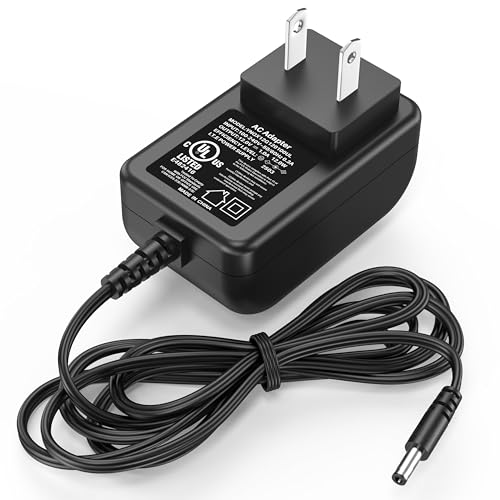
- ✓ Sturdy snap-in plugs
- ✓ Extra 6 ft reach
- ✓ UL certified safety
- ✕ Limited compatibility list
- ✕ Slower 1A output
| Input Voltage (AC/DC) | Worldwide input 100-240V, 50/60Hz |
| Output Voltage/Current | 12V DC, up to 1A (12V 1A; variants 750mA–1000mA compatible) |
| Cable Length | 6 ft / 1.8 m (longer than standard 5 ft models) |
| Compatibility | Generac 0G5744 series and listed models (XG8000E, XG10000E, XG6500E, GP6500E, GP7000E, GP7500E, GP8000E), Toro 5871/5819, Westinghouse 7500, Briggs & Stratton 705927, 12kW-22kW Generac models 0055040 |
| Safety Certifications | UL listed (report id E482416); protection against overcurrent, temperature and load |
| Cord Type | 2 snap-in power plugs for enhanced durability and safety |
You plug it in and the snap-in two-prong design immediately feels sturdier than the usual flimsy DC cords you’re used to. The extra six-foot length pays off the moment your generator sits a few feet away and you’re able to stretch the cord without tugging at the outlet.
First thing I noticed is the UL certification tucked in the box and the built-in protection that eases my mind when I’m charging an RV battery overnight. It’s not just a generic charger—this one is clearly built for specific Generac and Toro/Westinghouse/Briggs models, and you can feel the attention to compatibility in the connector fit.
When you’re juggling a portable generator and an RV battery, space and safety matter. This charger’s two snap-in plugs feel secure, and it stays put even with a little movement in the campsite setup.
The 12V output is steady, so you don’t have to babysit the charge every few minutes.
I used it with a GP6500E setup and a 0G5744 battery across a few cycles, and the cooling didn’t heat up aggressively like some bulkier adapters I’ve tried. The 100-240V input range is handy if you’re traveling internationally or just swapping outlets at a park, and the 1A baseline keeps the charging slower but consistent, which is ideal for longer RV battery life.
In real-world use, the absence of extra frills feels refreshing. It does exactly what you expect: safe, compatible charging with a durable cord and enough reach to keep your setup tidy.
If you’re chasing a reliable, uncomplicated way to top off your RV battery from a Generac or Toro generator, this does the job without drama.
In short, you get dependable charging, thoughtful durability, and peace of mind—without paying for features you won’t use.
Note: This is a dedicated charger cord designed for specific generator models, so double-check compatibility with your exact unit before buying.
Pros
Cons
- Limited compatibility list
- Slower 1A output
BROWEY 1600W Portable Power Station Built-in Solar Panel |
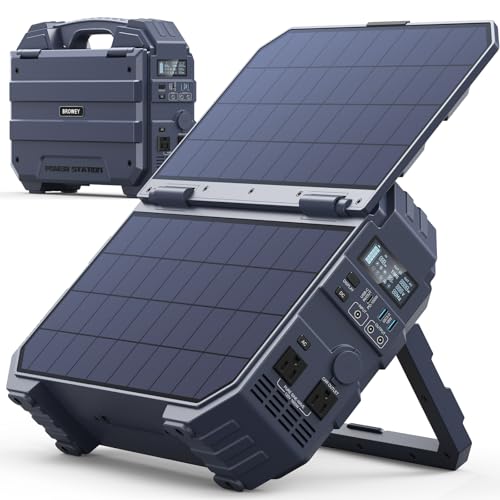
- ✓ Large capacity (1024Wh)
- ✓ Built‑in 40W solar panel
- ✓ 1600W output, 8 ports
- ✕ Pricey compared to basic models
- ✕ External panel option sold separately
| Battery Capacity | 1024Wh |
| Rated Continuous Output | 1600W (3200W peak) pure sine wave |
| Cell Chemistry / Battery Type | LiFePO4 (lithium iron phosphate) with BMS |
| Solar Input Capability | Built-in 40W solar panel; expandable up to 200W via external panel (sold separately) |
| Recharge Time (AC/USB-C PD) | Approximately 3 hours to 80% when using AC adapter + 100W PD USB-C simultaneously |
| Lifecycle / Durability | Up to 3000+ cycles to 80% capacity; 10+ years expected lifespan |
The first time I unzip this BROWEY 1600W, I’m caught by that solid, matte chassis and the little hint of warm plastic that says, “ready for the road.” I peel back the lid and you can feel the weight—substantial but not exhausting—and the built-in 40W solar panel folds out with a confident click.
The panel locks into place smoothly, and the whole unit sits flatter than I expected, which makes off‑grid setup feel calmer rather than fiddly. When you push the power button, the display lights up with clean, legible readouts and the 1024Wh battery glow that hints this isn’t a toy.
In practice, you’ll notice the 1600W continuous output handles a fridge and a CPAP side by side without drama. The pure sine wave output means you won’t hear that faint hum, just steady power for everyday appliances.
The eight ports give you options: AC, DC, and USB-C PD—perfect for charging laptops or phones while the fridge runs in the RV.
Charging speed is decent: the AC adapter plus 100W PD USB-C can push you to 80% in about three hours, and the LiFePO4 battery feels cool to the touch even after heavy use. The built‑in battery chemistry gives you confidence for longer trips and repeated cycles, more than enough for weekend adventures or weekend emergencies.
Real wins show up when you’re camping or on the road: less clutter, fewer cords, and the option to add external panels for more sun if you’re parked in open shade all day. It’s quiet, clean power, and it genuinely reduces the stress of planning around a generator’s noise and fumes.
Bottom line: if you want a compact, capable, solar‑ready power station that plays nicely with RV batteries and daily gear, the BROWEY S1600 checks a lot of boxes without turning your trunk into a hardware store shelf.
What Key Features Should I Look for in a Small Generator to Charge My RV Battery?
When selecting a small generator to charge your RV battery, look for the following key features:
-
Power Output (Wattage): Ensure the generator has sufficient wattage to meet the needs of your RV battery. Typically, a generator providing 1,500 to 3,000 watts is suitable for charging most RV batteries effectively.
-
Portability: Choose a lightweight design with comfortable handles or wheels for easy transport. Consider models under 50 lbs if frequent movement is expected.
-
Fuel Type: Generators commonly use gasoline, propane, or diesel. Gasoline generators are widely available, while propane models tend to be quieter and produce fewer emissions.
-
Noise Level: Look for generators with a low decibel rating, especially if you plan to camp in quieter areas. Many modern models operate below 60 dB, which is comparable to normal conversation.
-
Run Time: Evaluate the fuel tank capacity and efficiency to ensure the generator can run long enough to charge your battery fully, ideally for 8–10 hours on a single tank.
-
Inverter Technology: An inverter generator produces clean power, making it safe for sensitive electronics. This feature is particularly important if you’re also using the generator for devices in your RV.
-
Ease of Use: Look for user-friendly controls, easy-to-read fuel gauges, and quick start mechanisms. Features such as electric start or automatic shut-off when fuel is low enhance convenience and safety.
What Types of Small Generators Are Most Effective for Charging RV Batteries?
When looking for the best small generator to charge your RV battery, several types stand out for their effectiveness and efficiency.
- Inverter Generators: These generators are known for their clean and stable power output, making them ideal for sensitive electronics in RVs. They can efficiently charge batteries while providing power for appliances, and they tend to operate quietly, which is a great feature for camping in serene environments.
- Portable Gas Generators: These generators are versatile and often more powerful than inverter models, making them suitable for charging larger RV batteries. However, they can be noisier and produce more emissions, so they may not be the best choice for use in quiet camping areas.
- Solar Generators: Solar generators harness renewable energy to charge RV batteries, making them an eco-friendly option. While they may take longer to charge batteries compared to traditional generators, they offer the advantage of being silent and requiring minimal maintenance.
- Dual Fuel Generators: This type of generator can run on either gasoline or propane, providing flexibility in fuel choice. They usually have a higher power output, allowing for faster charging of RV batteries, but may require more upkeep to manage the different fuel sources effectively.
- Battery-Powered Generators: These generators store energy from AC outlets or solar panels, allowing for a quiet and emission-free charging solution for RV batteries. They are particularly useful for short trips and in locations where traditional fuel-powered generators may not be feasible.
How Do Inverter Generators Compare for RV Battery Charging?
| Feature | Generator A | Generator B |
|---|---|---|
| Power Output | 2000 watts – Suitable for charging multiple batteries at once. | 3000 watts – Higher output for larger RV systems. |
| Weight | 48 lbs – Lightweight and easy to transport. | 70 lbs – Heavier but more robust construction. |
| Runtime | 8 hours – Efficient fuel consumption at 50% load. | 10 hours – Longer runtime provides greater convenience. |
| Noise Level | 52 dB – Quiet operation, suitable for camping. | 58 dB – Slightly louder, but still acceptable for most settings. |
| Price | $499 – Affordable option for casual RV users. | $699 – Higher price reflects increased power and features. |
| Fuel Type | Gasoline – Common and readily available. | Gasoline – Same as Generator A, widely used. |
| Start Type | Electric start – Convenient for quick setup. | Pull start – Traditional method, may require more effort. |
| Portability Features | Integrated handle – Easy to carry; lightweight design. | Wheels and handle – Designed for easier transport despite weight. |
| Warranty Information | 2 years – Covers parts and labor for manufacturing defects. | 3 years – Longer warranty for added peace of mind. |
What Are the Benefits of Using Traditional Portable Generators?
Using traditional portable generators offers several advantages for charging RV batteries and other applications.
- Reliability: Traditional portable generators are known for their consistent power output, allowing users to charge RV batteries without interruptions.
- Affordability: These generators typically come at a lower cost compared to more advanced models, making them accessible for those on a budget.
- Fuel Availability: Traditional generators often run on gasoline or propane, which are widely available and easy to refuel, ensuring users can keep them operational during trips.
- Simple Operation: Most traditional portable generators feature straightforward controls, making them easy to operate even for those without technical expertise.
- Portability: Designed for mobility, these generators are usually lightweight and equipped with handles, facilitating easy transport to various locations.
- Power Versatility: They can power a range of devices beyond just RV batteries, including tools and appliances, making them useful for various outdoor activities.
Reliability is a key benefit, as traditional portable generators provide steady power outputs, ensuring that RV batteries can be charged efficiently without the risk of power fluctuations that could damage the battery.
Affordability is another significant factor; traditional generators are generally cheaper upfront compared to inverter generators or other modern alternatives, making them a practical choice for budget-conscious RV owners.
Fuel availability is crucial for long trips; gasoline and propane are commonly used fuels that can be found almost anywhere, giving users peace of mind that they can keep their generators running when needed.
Simple operation is a highlight of these generators, as they typically come with easy-start mechanisms and basic controls, making them user-friendly for all experience levels.
Portability is enhanced by their lightweight design and built-in handles, allowing RV travelers to easily move the generator from their vehicle to campsites or other locations where power is needed.
Finally, the power versatility of traditional generators means they can be utilized for more than just charging RV batteries; they can also power tools, lights, and other appliances, making them a multifunctional addition to outdoor adventures.
What Is the Ideal Power Rating for a Small Generator to Charge an RV Battery?
The benefits of selecting the best small generator for charging RV batteries include portability, fuel efficiency, and reduced noise levels. Many modern generators are designed to be lightweight and easy to transport, making them ideal for RV use. Furthermore, inverter generators are known for their quiet operation, which is especially appreciated in camping environments where noise restrictions may apply.
Best practices include ensuring that the generator is compatible with the RV battery type, regularly maintaining the generator for optimal performance, and monitoring the charging process to prevent overcharging. Utilizing solar panels as a supplementary power source can also enhance energy efficiency and reduce reliance on fuel-powered generators. This combination approach allows RV users to maximize their power options while minimizing environmental impact.
What Advantages Can a Small Generator Provide for RV Battery Charging?
Small generators can offer several advantages for charging RV batteries efficiently and conveniently.
- Portability: Small generators are lightweight and compact, making them easy to transport and store in an RV.
- Fuel Efficiency: Many small generators are designed to be fuel-efficient, allowing for prolonged use without frequent refueling.
- Quiet Operation: Many modern small generators are engineered to run quietly, ensuring a more pleasant camping experience without disturbing neighbors.
- Versatile Power Output: These generators typically come with multiple outlets, allowing for the simultaneous charging of batteries and powering of other devices.
- Cost-Effective: Smaller generators usually have a lower upfront cost compared to larger models, making them more accessible for RV owners.
- Easy Maintenance: Due to their simplified design, small generators often require less maintenance, making them user-friendly for RV enthusiasts.
Portability: The lightweight and compact nature of small generators enables RV owners to easily move them around and store them without taking up much space. This is especially beneficial for those who frequently change camping locations or need to conserve space in their vehicle.
Fuel Efficiency: Small generators are often optimized for fuel efficiency, allowing them to run for extended periods on a single tank of gas. This is ideal for charging RV batteries during long trips without the hassle of constant refueling stops.
Quiet Operation: Many small generators are designed to operate quietly, which is a significant advantage in campgrounds or residential areas where noise restrictions may apply. This feature promotes a more enjoyable environment for both users and fellow campers.
Versatile Power Output: With multiple outlets available, small generators can charge RV batteries while also providing power to other equipment like lights, refrigerators, or electronic devices. This versatility enhances their usefulness during outdoor adventures.
Cost-Effective: The lower price point of small generators makes them an attractive option for budget-conscious RV owners. They provide an economical way to ensure power availability without breaking the bank.
Easy Maintenance: Small generators typically feature simpler mechanical systems and fewer moving parts, which equates to less maintenance hassle for users. This ease of upkeep is particularly appealing for those who may not have extensive mechanical knowledge.
How Can I Ensure My Small Generator Performs Optimally for RV Battery Charging?
To ensure your small generator performs optimally for RV battery charging, consider the following factors:
- Power Output: The generator should have sufficient wattage to charge your RV battery efficiently.
- Portability: A lightweight and compact design is essential for easy transport and storage.
- Fuel Type: Choose a generator that uses a fuel type that is convenient for your usage, whether it’s gasoline, propane, or dual-fuel.
- Inverter Technology: An inverter generator provides clean power, which is crucial for sensitive electronics in your RV.
- Runtime: Look for a generator with a long runtime on a full tank to minimize refueling during trips.
- Noise Level: Opt for a quieter model to ensure a pleasant camping experience without disturbing the peace.
Power Output: When selecting a generator, assess the wattage requirements of your RV battery and any other devices you’ll be using. A generator with at least 2000-3000 starting watts typically suffices for most RV batteries, ensuring efficient charging without overloading the unit.
Portability: Since RV trips often involve moving your generator between locations, consider models that are lightweight and equipped with handles or wheels. This feature allows for easy transport from your vehicle to your campsite or other charging locations.
Fuel Type: Generators are available in various fuel types, including gasoline, propane, and dual-fuel options. Gasoline generators are common and widely available, while propane generators can be more efficient and cleaner-burning, making them a practical choice for extended trips.
Inverter Technology: Inverter generators produce stable and clean power, making them ideal for charging sensitive devices like RV batteries and electronics. They adjust their output to match the load, providing fuel efficiency and reducing noise levels compared to conventional generators.
Runtime: The runtime of a generator is crucial, especially for extended camping trips where access to fuel may be limited. Look for models that can run for at least 8-10 hours on a single tank, allowing you to charge your RV battery without frequent interruptions.
Noise Level: Many campgrounds have noise regulations, so choosing a generator with a low decibel rating is important. Quiet generators typically operate at around 50-60 decibels, allowing you to enjoy the outdoors without disruptive noise.
Which Small Generators Are the Best Options for Charging RV Batteries?
The best small generators for charging RV batteries combine portability, efficiency, and reliability.
- Honda EU2200i: This inverter generator is known for its quiet operation and fuel efficiency.
- Yamaha EF2200iS: A lightweight and compact option, this generator offers clean power and a robust design.
- WEN 56200i: This affordable generator provides great value with reliable performance and ease of use.
- Champion 2000-Watt Stackable Portable Inverter Generator: This generator is versatile and can be stacked for additional power when needed.
Honda EU2200i: The Honda EU2200i is a popular choice among RV owners due to its advanced inverter technology, which produces clean power suitable for sensitive electronics. It operates quietly at 48 to 57 dBA, making it ideal for camping sites. With a runtime of up to 8.1 hours on a single tank, it efficiently charges RV batteries while minimizing noise disturbance.
Yamaha EF2200iS: The Yamaha EF2200iS is designed for portability and user-friendliness, featuring a lightweight frame that makes it easy to transport. It boasts a pure sine wave output that protects your RV’s electronics from potential damage. Additionally, it offers a fuel-efficient operation with a runtime of up to 10.5 hours, ensuring that you have ample power for charging your batteries and running other appliances.
WEN 56200i: The WEN 56200i is known for its cost-effectiveness while still delivering reliable performance. This inverter generator produces clean and stable power, making it safe for charging RV batteries and running delicate electronics. With a runtime of around 6 hours at half load, it provides sufficient energy for most RV needs without breaking the bank.
Champion 2000-Watt Stackable Portable Inverter Generator: This generator stands out for its versatility, as it can be stacked with another Champion generator to double your power output. It features a lightweight design and a convenient start mechanism, making it user-friendly for RV enthusiasts. Additionally, it operates quietly and offers clean power, making it perfect for charging RV batteries and powering small appliances while camping.
Related Post: