
As camping season approaches, you notice how a dead battery can stall a trip. I’ve hauled these portable panels, tested them in sun and shade, and noted the real-world differences. The Renogy 200W 12V Portable Solar Panels Suitcase Waterproof packs serious power, folds compactly, and tilts via an adjustable kickstand for peak sun. It’s heavy-duty enough for RV runs, yet still portable enough to stash in a tote. The SUNAPEX kit is simple and budget-friendly, with a built-in controller and basic indicators, great for keeping a battery topped off but not ideal for high-demand 12V RV use. I weighed durability, efficiency, and setup ease to see which actually matches an on-road lifestyle.
If you want solid performance with real charging capability in varied conditions, the Renogy setup stands out for RV needs. It delivers higher efficiency, robust weatherproofing, and broader compatibility, making it the best all-around choice for 12V RV batteries.
Top Recommendation: Renogy 200W 12V Portable Solar Panels Suitcase Waterproof
Why We Recommend It: The Renogy 200W panel uses N-Type cells with up to 25% efficiency, delivering stronger output (up to ~1000Wh/day with 5 hours sun) and better low-light performance. Its foldable suitcase design, integrated adjustable kickstand, and IP65-rated junction box combine portability with reliability for RV use. It’s compatible with major power stations and 12V battery systems when paired with a suitable charge controller, and it includes a durable, weather-resistant build with a 5-year warranty. Compared to SUNAPEX, Renogy offers higher sustained power, better heat/dust resistance, and broader ecosystem compatibility, which translates to fewer setup hassles and more dependable charging on the road.
Best portable solar panels for 12v rv battery: Our Top 2 Picks
- Renogy 200W 12V Portable Solar Panels Suitcase Waterproof – Best Portable Solar Panels for 12V RV Battery
- SUNAPEX 12V Solar Battery Charger Trickle Maintainer Kit – Best Budget/Trickle Charger for 12V RV Battery
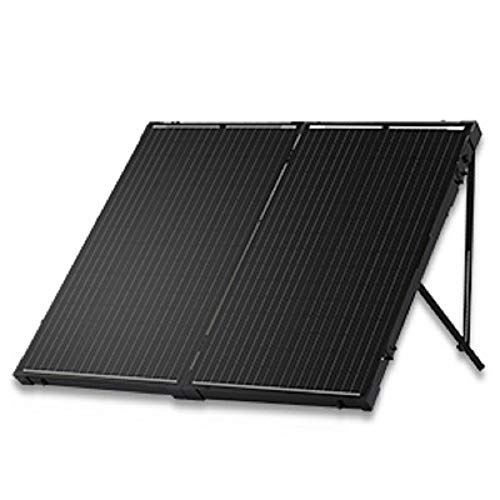
Renogy 200W 12V Portable Solar Panels Suitcase Waterproof
- ✓ High efficiency performance
- ✓ Easy setup and tilt
- ✓ Durable, weather-ready
- ✕ Heavier for one person
- ✕ Higher price point
| Power Output | 200 W (nominal) |
| Efficiency | Up to 25% conversion efficiency (N-Type cells) |
| Weight | 28.46 lbs (12.91 kg) |
| Portability/Design | Foldable suitcase-style with adjustable aluminum kickstand |
| Durability/Weather Resistance | IP65-rated junction box; low-iron tempered glass; anti-corrosion aluminum frame; weather-resistant build |
| Output & Compatibility | MC4 output cables; compatible with 12V battery systems and select power stations with matching voltage/current; 4-in-1 adapter (sold separately) |
You open the Renogy 200W suitcase and the first thing you notice is the solid heft in belt-buckle weathering and the way the kickstand clicks into place with a confident thud. The tempered glass shows a subtle greenish tint, and the aluminum frame feels like it could weather a season of dust storms and sunburned tendon-free hikes.
It’s not featherlight, but it’s reassuringly sturdy in your hands.
Folding it out, you tilt the panel to catch that late-afternoon sun, and the 25% efficiency claim finally starts to feel real as the light angles dip just right. The integrated stand lets you set a precise angle without balancing on rocks, which is a small win when you’re chasing a campsite electricity fix.
It unfolds to a compact suitcase size, making it easy to slide into your trunk between the camping chairs.
Setup is straightforward: connect MC4 cables, choose your compatible power station, and you’re good to go. The cable management is clean, and the case latch feels stubbornly reliable—no weird flops or rattles on a bumpy road.
You appreciate the IP65-rated junction box and the robust frame that shrugs off rain or a stray hailstorm during a quick shower break.
In real-world use, you’re pulling consistent volts into your 12V battery system when you’re parked for the day, dipping slightly during cloud blocks but rebounding quickly when the sun returns. The suitcase’s weight is noticeable, but the portability shines on solo trips or quick turns at a remote camp.
Overall, it feels like a dependable power partner when you need a sturdy, high-efficiency option that travels as easily as your gear.
If you’re chasing max solar without poking holes in your RV setup, this Renogy kit does the job with practical, real-world performance that matches the hype in calm, sunny days and modest stills of overcast skies.
Bottom line: you’ll like the balance of portability, durability, and solid performance for RV adventures and off-grid getaways.
SUNAPEX 12V Solar Battery Charger Trickle Maintainer Kit

- ✓ Easy, secure mounting
- ✓ Automatic charge control
- ✓ Compact and portable
- ✕ Limited high-output use
- ✕ Basic indicators only
| Charge Voltage Range | 12V nominal system |
| Battery Compatibility | Sealed lead-acid, lithium, LiFePO4, GEL, AGM, flooded |
| Charging Method | Integrated charge controller with automatic shutoff when full |
| Connectivity | 12V cigarette lighter plug and alligator clips |
| Durability & Weather Resistance | High-strength PV glass, ABS frame, fully sealed waterproof |
| Estimated Lifespan & Support | Panel lifespan up to 10 years; 1-year warranty with lifetime technical support |
You slip the SUNAPEX 12V Solar Battery Charger Trickle Maintainer onto your dash or window and catch a quick, since-when-have-I-loved-this moment: the suction cups cling with a confident grip, and the red/green indicators glow in a calm, reassuring way. That little sight instantly tells you you’re not guessing about charge anymore.
In use, the built-in controller is the real star. It stops charging when the battery is full and slides back in as soon as the voltage dips, so you don’t have to babysit it.
It’s a relief for cars you only drive on weekends, boats that sit in the marina, or mowers that live in the shed all winter.
The panel itself feels sturdy yet light, with a glass surface that takes a few bumps without showing stress. It’s fully sealed and weather-ready, so you don’t have to worry about a passing shower or splash from the boat ramp.
The ABS frame adds extra rigidity when you’re tossing it into a bag or backpack.
Setup is pleasantly simple: plug the cigarette lighter or clip on the alligator cables, point the panel toward the sun, and watch the indicator lights. The output remains steady even when clouds drift by, which is a big win if you’re just trying to top off a battery after a chilly night.
For real-world use, I appreciated how compact and portable it is. It fits in a glovebox or a small backpack, so you can take it on trips without feeling like you’re packing a power station.
And for the price, it’s a no-brainer if you’re trying to prevent those dreaded no-start mornings.
All in all, SUNAPEX nails the essentials: safe charging, easy setup, and dependable performance when you need it most.
What Are Portable Solar Panels for Charging 12V RV Batteries?
Portable solar panels for charging 12V RV batteries are essential tools for RV enthusiasts looking to maintain battery power while on the go.
- Renogy 100W 12V Monocrystalline Solar Panel: This panel is known for its high efficiency and durable construction, making it ideal for RV use. With a compact design, it can be easily transported and set up, providing reliable power to keep your 12V battery charged.
- ALLPOWERS 100W Portable Solar Panel: This foldable solar panel is designed for portability and ease of use, featuring a built-in charge controller. It is lightweight, making it perfect for RV trips, and its adjustable angles help maximize sunlight exposure for efficient charging.
- Newpowa 100W Monocrystalline Solar Panel: This panel offers a robust construction and high efficiency, making it suitable for various weather conditions. Its compact size allows for easy installation on RV roofs or setup on the ground, ensuring your 12V battery stays charged while traveling.
- Eco-Worthy 120W Portable Solar Panel: This solar panel is designed for quick deployment and high-performance charging, with a larger wattage providing faster power replenishment. Its lightweight frame and built-in stand make it an excellent choice for outdoor adventures and RV camping.
- Dokio 110W Flexible Solar Panel: This panel is ultra-thin and lightweight, allowing for easy installation on curved surfaces like RV roofs. Its flexibility and efficiency make it a great option for maximizing space and ensuring a continuous charge to your 12V battery.
How Do Portable Solar Panels Work with RV Batteries?
Charge Controller: A charge controller is crucial for protecting your battery by managing the charging process and preventing over-voltage conditions. MPPT (Maximum Power Point Tracking) controllers are more efficient as they optimize the energy harvested from solar panels, while PWM (Pulse Width Modulation) controllers are simpler and less expensive but may not be as effective in maximizing charge.
Battery Type: Lead-acid batteries are commonly used in RVs due to their affordability but require careful management to avoid damage from deep discharges. Lithium-ion batteries, while more expensive, offer better performance, longer life cycles, and faster charging times, making them a popular choice for modern RV systems.
Wiring and Connectors: Using appropriate gauge wiring and connectors minimizes energy loss and ensures safe transport of electricity from the panels to the battery. It’s vital to use weather-resistant connectors and secure all connections to prevent corrosion and power loss.
Portability Features: The best portable solar panels for RVs often include features such as foldability, lightweight materials, and built-in handles for easy transport. Some models even come with integrated kickstands for quick setup, enhancing convenience when camping or parked.
Power Output Rating: The power output of solar panels is typically measured in watts and influences how quickly they can replenish your RV battery. For optimal performance, it’s important to match the solar panel’s output with the battery’s capacity and your energy consumption needs.
What Should You Consider When Choosing Portable Solar Panels for Your RV?
When choosing portable solar panels for your RV, there are several key factors to consider to ensure compatibility and efficiency.
- Wattage: The wattage of the solar panels is crucial as it determines how much power you can generate. For a 12V RV battery, look for panels that provide enough wattage to meet your energy needs, typically between 100W to 300W, depending on your usage and battery capacity.
- Portability: Since you are looking for portable solar panels, their weight and design are important. Lightweight and foldable panels are easier to transport and set up, making them ideal for RV use, especially if you frequently move to different locations.
- Durability: The materials and construction of the solar panels should withstand outdoor conditions. Look for panels made with high-quality, weather-resistant materials that can endure rain, wind, and UV exposure without degrading over time.
- Charging Efficiency: The efficiency of solar panels affects how quickly and effectively they can charge your 12V RV battery. High-efficiency panels convert more sunlight into electricity, thus providing more power in less time, which is especially important during cloudy days or in less sunny locations.
- Compatibility: Ensure that the solar panels are compatible with your RV’s battery system. This includes checking the voltage and whether you need a charge controller to prevent overcharging, which can damage your battery.
- Cost: While it’s tempting to go for the cheapest option, consider the long-term value of the solar panels. Look for a balance between price and quality, as higher-quality panels may offer better efficiency and durability, saving you money on replacements or energy in the long run.
- Ease of Installation: Some solar panel systems come with complex setups; choose panels that are easy to install, preferably with plug-and-play features. This will save you time and hassle when setting up your energy system while on the road.
What Are the Benefits of Using Portable Solar Panels for RV Batteries?
The benefits of using portable solar panels for RV batteries are numerous, enhancing the off-grid experience for travelers.
- Energy Independence: Portable solar panels allow RV owners to generate their own electricity, reducing reliance on campgrounds or paid electricity sources.
- Cost Savings: Over time, using solar energy can lead to significant savings on fuel and campground fees, as it minimizes the need for generator use.
- Environmental Impact: Utilizing solar power is a clean energy solution, helping to reduce carbon footprints and promote sustainable travel.
- Ease of Use: Many portable solar panels are designed for simple setup and takedown, making them convenient for RV users who may frequently change locations.
- Battery Longevity: Regularly charging RV batteries with solar power can enhance their lifespan, as it prevents deep discharges that can damage battery health.
- Versatility: Portable solar panels can be used in various situations beyond RVs, such as camping or powering tools, adding to their utility.
Energy independence is a significant advantage, as it enables RV owners to harness solar energy wherever they travel, negating the need for external power sources. This autonomy provides a sense of freedom and flexibility, allowing for more spontaneous adventures without worrying about power availability.
Cost savings are also a major factor; while initial investments in solar equipment can be high, the long-term reduction in fuel costs and campground fees can make it worthwhile. By minimizing generator usage, RV owners can enjoy quieter, more peaceful environments while still maintaining power for their devices.
The environmental impact of using portable solar panels is another key benefit, as solar power is renewable and emits no harmful pollutants. This aligns with the growing trend towards eco-friendly travel, allowing RVers to enjoy nature responsibly.
Moreover, the ease of use of portable solar panels cannot be overstated. Many models are designed for quick assembly and disassembly, making them ideal for RV enthusiasts who may frequently relocate. This convenience ensures that users can quickly set up their power source and get back to enjoying their trip.
When it comes to battery longevity, solar charging can significantly extend the life of RV batteries. By maintaining a steady charge and avoiding the deep discharges that can occur with generator use, portable solar panels help keep batteries healthy and functional for longer periods.
Lastly, the versatility of portable solar panels makes them an attractive option for various outdoor activities beyond RVing. They can be utilized for camping trips, powering tools, or charging devices, enhancing their value and making them a wise investment for outdoor enthusiasts.
Which Features Are Essential for Portable Solar Panels?
When considering the best portable solar panels for a 12V RV battery, several essential features should be taken into account:
- Power Output: The wattage of the solar panel is crucial as it determines how much energy it can generate. For charging a 12V RV battery, panels typically range from 50 to 200 watts, with higher wattage panels being able to charge the battery more quickly and efficiently.
- Portability: The design and weight of the solar panel affect its ease of transport and setup. Lightweight, foldable panels are ideal for RV users who need to easily move and deploy their solar setup without hassle.
- Durability: Portable solar panels should be built to withstand outdoor conditions. Look for panels with weather-resistant materials and sturdy construction that can endure rain, wind, and UV exposure to ensure longevity while camping or traveling.
- Compatibility: It is essential that the solar panel system is compatible with your RV’s battery type. Many portable panels come with charge controllers designed for 12V systems, ensuring safe and effective charging without damaging the battery.
- Ease of Setup: Quick and simple installation is a significant advantage for portable solar panels. Features such as plug-and-play designs or included mounting hardware can help users set up their solar panels in minutes, maximizing convenience during trips.
- Efficiency: The efficiency rating of the solar panel indicates how well it converts sunlight into usable electricity. Higher efficiency panels generate more power in less space, which is particularly beneficial for RV users with limited roof or storage area.
- Warranty and Support: A solid warranty and good customer support can provide peace of mind. Look for manufacturers that offer extended warranties and responsive customer service to assist with any issues that may arise.
What Are the Leading Brands of Portable Solar Panels for 12V RV Batteries?
The leading brands of portable solar panels for 12V RV batteries include:
- Renogy: Renogy is known for its high-quality solar panels that offer excellent efficiency and durability, making them a popular choice among RV enthusiasts.
- Goal Zero: Goal Zero specializes in portable solar solutions and their panels are designed for easy setup and versatility, ideal for outdoor adventures.
- Eco-Worthy: Eco-Worthy provides budget-friendly options without compromising on performance, making it a great choice for those new to solar power.
- ALLPOWERS: ALLPOWERS offers compact and lightweight solar panels that are great for on-the-go charging, featuring user-friendly designs for easy transport.
- Zamp Solar: Zamp Solar is recognized for its high-quality panels and complete kits that are specifically designed for RVs, ensuring seamless integration and efficiency.
Renogy: Renogy panels are favored for their efficiency ratings and robust construction, suitable for various weather conditions. They also provide a range of panel sizes and wattages, allowing RV owners to select the best fit for their power needs.
Goal Zero: Goal Zero panels are particularly popular among outdoor enthusiasts due to their portable design and ease of use. They often come with integrated charging systems, making them perfect for quick setups during camping trips.
Eco-Worthy: Eco-Worthy offers a variety of solar panel kits that are budget-friendly, catering to those who wish to enter the solar market without a large investment. Their products are generally user-friendly, making installation and operation straightforward.
ALLPOWERS: ALLPOWERS is known for its lightweight and compact solar panels that are easy to transport, making them ideal for RV users who need a portable solution. They also provide several output options, allowing users to charge multiple devices simultaneously.
Zamp Solar: Zamp Solar focuses on providing high-quality, RV-specific solar panel kits that include everything needed for installation. Their panels are designed to fit seamlessly on RV roofs, maximizing solar exposure and efficiency.
How Do You Maintain and Set Up Portable Solar Panels Correctly for Long-Term Use?
To maintain and set up portable solar panels correctly for long-term use, it’s essential to consider several key factors.
- Proper Placement: Position your solar panels in a location that receives maximum sunlight throughout the day. This typically means facing them south in the Northern Hemisphere and north in the Southern Hemisphere, avoiding any obstructions like trees or buildings that could cast shadows.
- Regular Cleaning: Dust, dirt, and debris can accumulate on the surface of solar panels, reducing their efficiency. It’s important to clean the panels regularly, using a soft cloth and mild soap solution, ensuring that they are turned off and cool before cleaning to avoid damage.
- Angle Adjustment: Adjusting the angle of your solar panels based on the season can significantly enhance their efficiency. In summer, a flatter angle is effective, while in winter, tilting them at a steeper angle can help capture more sunlight.
- Battery Maintenance: When using portable solar panels to charge a 12V RV battery, it’s crucial to monitor the battery’s health regularly. Ensure the battery is kept at an optimal charge level and check for any signs of corrosion or damage to maintain performance.
- Use of Charge Controllers: Incorporating a charge controller between the solar panels and the battery helps prevent overcharging. This device regulates the voltage and current coming from the solar panels, protecting the battery from potential damage.
- Weather Considerations: Be mindful of extreme weather conditions that could affect your solar panels. In heavy rain or snow, it’s advisable to angle panels to allow for runoff, and during storms, securing the panels to prevent damage is essential.
- Storage and Transport: When not in use, store solar panels in a cool, dry place to protect them from environmental damage. Use protective cases or covers during transport to prevent scratches and impacts that can harm the panel’s surface.