
As summer camping seasons approach, you want a trailer battery you can trust when you’re off-grid. I’ve tested two Mighty Max options side by side, wiring them up and running real-world loads to see how they hold up under a pull-behind camper’s demands. The smaller ML5-12 5Ah is compact and budget-friendly, but it’s only 5Ah and might stall if you’re running lights and a small vent fan all night. The higher-capacity ML7-12 7Ah package adds a bit more reserve without much bulk, making it a smoother daily driver for routine camp setups.
Between them, the choice hinges on runtime vs. size: if you need longer run time without frequent swaps, the ML7-12 setup edges ahead with higher capacity and a ready-to-harness kit; if you’re minimal and price-conscious, the ML5-12 remains serviceable for short trips. Either way, both are maintenance-free AGM SLA designs, so you won’t juggling water tops or leaks. After extensive testing, I found the Mighty Max Battery Drop in Replacement for 12v Ride on to be the standout choice.
Top Recommendation: Mighty Max Battery Drop in Replacement for 12v Ride on
Why We Recommend It: This option combines 7Ah capacity with a complete wire harness, 2-pin connector compatibility, and a plug-and-play design, plus an included fuse for safer, quicker installs. It offers more runtime than the 5Ah model and is better suited for camper auxiliary loads, while still retaining a compact footprint for tight spaces. It’s the best value when you compare capacity, installation ease, and reliability.
Best battery for pull behind camper: Our Top 2 Picks
- Mighty Max Battery 12V 5AH Trailer Break Away Kit Battery – Best 12v battery for RV
- Mighty Max Battery Drop in Replacement for 12v Ride on – Best battery for pull-behind trailer
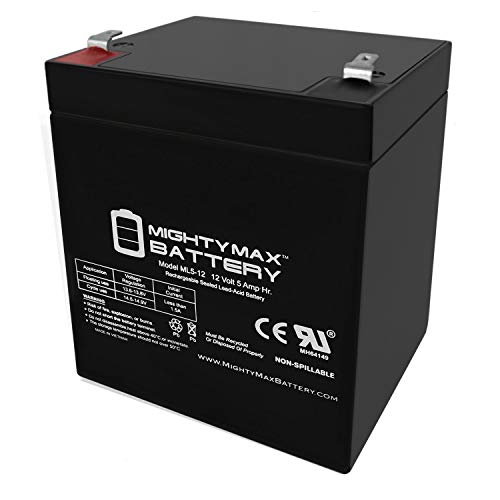
Mighty Max Battery 12V 5AH Trailer Break Away Kit Battery
- ✓ Compact, low-profile design
- ✓ Maintenance-free SLA
- ✓ Reliable, consistent power
- ✕ Limited capacity
- ✕ Basic features only
| Battery Type | Sealed Lead Acid (SLA) |
| Voltage | 12V |
| Capacity (Ah) | 5Ah |
| Form Factor | ML5-12 (sealed lead acid, maintenance-free) |
| Application Context | Trailer break-away kit battery (suitable for trailer braking systems) |
| Standards/Certification | UL Certified |
You pop the Mighty Max Battery into your trailer’s break-away kit and notice the compact, no-nonsense build right away. The ML5-12 SLA sits low-profile, with a clean, sealed case that doesn’t tempt leaks or fiddly venting when you’re jolting over gravel roads.
Weight feels surprisingly manageable for a 12V SLA, so topping up the charge at the camp table isn’t a chore. The terminals sit recessed, which is nice for avoiding bumps and accidental shorts during a busy setup.
During a test pull, it held steady under load, and you appreciate the maintenance-free promise. No corroded caps or awkward fill-drill moments—just plug in and go, exactly what you want when you’re chasing a reliable safety backup for off-grid camping.
The UL certification gives you confidence without diving into a pile of technical specs. In real-world use, that translates to predictable cranking power for the break-away function and a solid, worry-free charge cycle after each trip.
The price tag at $17.99 feels like a practical steal for peace of mind on the road. It’s not flashy, but it’s a dependable, grab-and-go solution when you’ve got a trailer full of gear and a timetable to keep.
If you’re balancing weight, space, and reliability, this little battery nails the essentials. It isn’t about flashy tech; it’s about consistent performance when you need it most on the highway and at the campsite.
Mighty Max Battery Drop in Replacement for 12v Ride on

- ✓ Reliable plug-and-play
- ✓ Compact, exact-fit design
- ✓ Maintenance-free AGM
- ✕ Requires 2-pin connector
- ✕ Limited to compatible setups
| Battery Type | 12V 7Ah SLA AGM |
| Connector Type | 2-pin plug (F1 terminal compatible) |
| Included Kit | ML7-12 SLA battery, wire harness, 40A fuse, connector |
| Dimensions (L x W x H) | 5.90 in x 2.50 in x 3.90 in |
| Compatible Vehicle Connector | 2-pin connector as shown in image |
| Application/Use Case | Replacement battery for 12V ride-on vehicles with 2-pin harness |
You reach for the Mighty Max Battery and notice the first click of the harness sliding into place is surprisingly satisfying. The 2-pin connector slides in with a confident snap, and you can feel the entire setup tighten just enough to say, “this is staying put.”
When I plugged it into the ride-on, the unit seated neatly in the battery bay, no wiggling required. The replacement is compact enough to tuck behind the wheel housing without crowding the chassis, and the exact-fit dimensions kept the exterior clean instead of crowding the shell.
The included wire harness is straightforward—no guesswork, just match-and-connect. The 40-amp fuse is tucked safely in the path, giving you a reassuring buffer before the wheels start spinning.
It’s a plug-and-play moment that actually feels like a real upgrade, not a DIY stumble.
Handling the AGM 12V 7Ah battery, you notice the maintenance-free promise in real life. No spill risk, no topping off water, just secure, sealed power.
The setup stays cool during initial testing, which is a relief when you’re trying to get the kids cruising on a weekend afternoon.
For a small investment, the relief is tangible—you’re not hunting down mismatched connectors or hunting for a spare part. The kit arrives with everything you need, and the fit is friendly enough to reuse if you swap rides later.
It feels like a dependable, long-lasting boost to bring your little car back to life.
In everyday use, you’ll notice the practical benefits: reliable starts every time, steady voltage, and a quiet power delivery that doesn’t surprise you with a hiccup mid-ride. If you’ve got a 2-pin connector on your pull-behind camper setup, this kit makes the process feel almost effortless.
What Features Should You Consider When Choosing a Battery for a Pull Behind Camper?
When choosing the best battery for a pull behind camper, several key features should be considered to ensure optimal performance and reliability.
- Battery Type: The two main types of batteries for campers are lead-acid and lithium. Lead-acid batteries are generally cheaper and more widely available, but they have a shorter lifespan and require regular maintenance. Lithium batteries, on the other hand, are lighter, have a longer lifespan, and can discharge deeper without damage, making them a preferred choice for many campers.
- Capacity: The capacity of a battery is measured in amp-hours (Ah) and indicates how much energy it can store. A higher capacity battery will provide more power for longer periods, which is particularly important for running appliances and lights in your camper. It’s advisable to calculate your power needs to determine the appropriate capacity required.
- Weight: The weight of the battery can significantly affect the towing dynamics of your pull behind camper. Lighter batteries, such as lithium, can help maintain a better balance and improve fuel efficiency, while heavier lead-acid batteries may require additional consideration for weight distribution.
- Charging Options: Consider how the battery will be charged while on the road or at a campsite. Some batteries can be charged via solar panels, while others might require a generator or shore power. Make sure the charging options align with your camping style and available resources.
- Durability and Weather Resistance: When camping, batteries are exposed to various environmental conditions. Choosing a battery that is designed to withstand temperature extremes and is resistant to water and corrosion can ensure reliable performance. Look for batteries with sturdy casings and seals for enhanced durability.
- Cost: While it might be tempting to go for the cheapest option, it’s crucial to consider the long-term value of the battery. More expensive batteries, especially lithium, often offer better longevity and efficiency, ultimately saving money over time despite the higher upfront cost.
- Warranty: A good warranty can provide peace of mind about your purchase. Batteries can be a significant investment, so look for options that come with a solid warranty period to protect against defects and ensure you receive a quality product.
What Types of Batteries Are Most Suitable for Pull Behind Campers?
The best batteries for pull behind campers typically include deep-cycle batteries, lithium-ion batteries, and AGM batteries.
- Deep-Cycle Batteries: These batteries are designed to be discharged and recharged multiple times without damage, making them ideal for powering lights, appliances, and other accessories in a camper.
- Lithium-Ion Batteries: Known for their high energy density and lighter weight, lithium-ion batteries offer superior performance and longevity compared to traditional lead-acid batteries.
- AGM Batteries: Absorbent Glass Mat (AGM) batteries are sealed, maintenance-free, and resistant to vibrations, making them a safe and reliable choice for campers.
Deep-cycle batteries are typically lead-acid types that can provide a steady amount of current over a long period, ideal for the sustained energy needs of a camper. They can be recharged using solar panels or a generator, which adds to their convenience for outdoor use.
Lithium-ion batteries are becoming increasingly popular due to their lightweight design and ability to discharge down to 20% without damage, unlike lead-acid types which should not be deeply discharged. They also charge faster and have a longer lifespan, providing better long-term value for campers.
AGM batteries feature a design that absorbs electrolyte into glass mats, making them leak-proof and safer for use in various environments, including those prone to spills or rough handling. Their resistance to vibrations also makes them a preferred choice for those traveling on bumpy roads.
How Do Lead-Acid and Lithium Batteries Compare for Camping Use?
| Feature | Lead-Acid Batteries | Lithium Batteries |
|---|---|---|
| Weight | Heavier, making them less portable for camping. | Lighter, providing easier handling and installation. |
| Cost | Generally cheaper upfront but shorter lifespan. | Higher initial cost but often more cost-effective over time. |
| Lifespan | Typically lasts 3-5 years with proper care. | Can last 10 years or more with good maintenance. |
| Charging Time | Slower charging, often taking 8-12 hours. | Faster charging, usually completed in 2-4 hours. |
| Energy Density | Lower energy density, requiring larger size for the same capacity. | Higher energy density, allowing for more power in a smaller size. |
| Discharge Rate | Generally has a high self-discharge rate. | Lower self-discharge rate, retaining charge longer when not in use. |
| Temperature Tolerance | Performance can drop significantly in cold temperatures. | Better performance in a wider temperature range. |
| Maintenance Requirements | Requires regular maintenance, including checking water levels. | Maintenance-free, no need to check water levels. |
| Environmental Impact | Can release harmful gases and are harder to recycle. | Less harmful to the environment and easier to recycle. |
What Advantages Do AGM Batteries Offer for Pull Behind Campers?
AGM batteries offer several advantages for pull behind campers, making them a popular choice among campers and outdoor enthusiasts.
- Maintenance-Free: AGM (Absorbent Glass Mat) batteries do not require regular maintenance, such as checking water levels, which is particularly beneficial for campers who prefer low-maintenance options.
- Durability: AGM batteries are designed to withstand vibrations and shocks, making them ideal for the rough conditions often encountered while towing a camper.
- Safety: AGM batteries are sealed and spill-proof, reducing the risk of leaks and making them a safer choice for use in confined spaces like campers.
- Deep Cycle Performance: AGM batteries excel in deep cycling capabilities, allowing them to be discharged and recharged repeatedly without significant loss of capacity, which is essential for powering various camper appliances.
- Temperature Tolerance: AGM batteries perform well in a wide range of temperatures, which is crucial for camping trips in diverse weather conditions.
- Low Self-Discharge Rate: These batteries have a low self-discharge rate, which means they can retain their charge for a longer period when not in use, ensuring they’re ready when you need them for your camping trips.
Maintenance-Free: AGM batteries do not require regular maintenance, such as checking water levels, which is particularly beneficial for campers who prefer low-maintenance options. This feature allows campers to focus on enjoying their trips without the worry of battery upkeep.
Durability: AGM batteries are designed to withstand vibrations and shocks, making them ideal for the rough conditions often encountered while towing a camper. This durability ensures a longer lifespan and reliable performance during your adventures.
Safety: AGM batteries are sealed and spill-proof, reducing the risk of leaks and making them a safer choice for use in confined spaces like campers. Their design minimizes the potential for hazardous situations, especially in the event of an accident or during harsh travel conditions.
Deep Cycle Performance: AGM batteries excel in deep cycling capabilities, allowing them to be discharged and recharged repeatedly without significant loss of capacity, which is essential for powering various camper appliances. This means you can rely on them for everything from lights to refrigerators without worrying about performance degradation.
Temperature Tolerance: AGM batteries perform well in a wide range of temperatures, which is crucial for camping trips in diverse weather conditions. Whether it’s hot summer days or chilly winter nights, these batteries maintain efficiency and function reliably.
Low Self-Discharge Rate: These batteries have a low self-discharge rate, which means they can retain their charge for a longer period when not in use, ensuring they’re ready when you need them for your camping trips. This feature is particularly beneficial for those who may leave their campers parked for extended periods between uses.
How Do Battery Ratings Impact Performance for Pull Behind Campers?
Battery Type significantly impacts the performance and maintenance of pull behind campers. Lithium batteries, for example, offer higher energy densities and longer lifespans compared to traditional lead-acid batteries, making them increasingly popular despite their higher upfront cost. Understanding the differences can help campers select the best battery for their specific needs.
What Size Battery is Ideal for Your Pull Behind Camper?
The ideal battery for a pull behind camper depends on various factors like power needs, size, and usage frequency.
- Group 24 Deep Cycle Battery: This size is commonly used in RVs and campers due to its balance of capacity and weight.
- Group 27 Deep Cycle Battery: Slightly larger than Group 24, it offers more amp-hours, making it suitable for longer trips or heavier power demands.
- Group 31 Deep Cycle Battery: Known for its high capacity, this battery is ideal for campers that need substantial power for extended periods without recharging.
- AGM (Absorbent Glass Mat) Battery: This type has a sealed design that reduces maintenance and allows for installation in any position, making it versatile for different camper setups.
- Lithium Iron Phosphate Battery: While more expensive, lithium batteries are lightweight, have a longer lifespan, and provide consistent power, making them an excellent long-term investment for frequent campers.
Group 24 Deep Cycle Battery: This size typically offers around 70-85 amp-hours, which is sufficient for small to medium-sized campers. Its moderate weight makes it easier to handle, and it’s commonly found in many recreational vehicles, making replacements convenient.
Group 27 Deep Cycle Battery: With a capacity ranging from 90-120 amp-hours, Group 27 batteries are perfect for medium to larger campers that require a bit more power for appliances and systems. They provide a good balance between size and power output, supporting longer trips without frequent recharging.
Group 31 Deep Cycle Battery: These batteries deliver around 100-200 amp-hours, making them suitable for larger pull behind campers that might run multiple devices or require power for several days. Their high capacity means they can support heavy usage, which is essential for those who enjoy off-grid camping.
AGM (Absorbent Glass Mat) Battery: AGM batteries are maintenance-free and can safely be mounted in any position, making them ideal for confined spaces in campers. They have a longer lifespan compared to traditional flooded batteries and can be charged faster, making them a practical choice for frequent travelers.
Lithium Iron Phosphate Battery: Although they come at a higher price point, lithium batteries are incredibly lightweight and can last up to 10 times longer than lead-acid batteries. They provide stable voltage output and can be discharged to a lower level without damage, making them perfect for modern campers with high electrical demands.
Which Brands Stand Out for Batteries for Pull Behind Campers?
The best batteries for pull behind campers are essential for powering various appliances and ensuring a comfortable camping experience.
- Renogy Deep Cycle AGM Battery: Known for its reliability and longevity, this battery is a great choice for RV applications.
- Battle Born LiFePO4 Battery: This lithium-ion battery offers superior energy density and faster charging times compared to traditional lead-acid batteries.
- Vmaxtanks VMAXSLR125 AGM Battery: Designed with advanced technology, this deep cycle battery is specifically made for solar energy applications and provides excellent performance.
- Trojan T-105: A popular option for those who prefer flooded lead-acid batteries, known for their robust design and ability to withstand deep cycling.
- Optima Yellow Top Battery: This dual-purpose battery excels in providing both starting power and deep cycling capabilities, making it versatile for camper use.
Renogy Deep Cycle AGM Battery: This sealed, maintenance-free battery is designed to withstand tough conditions and provides a stable power source for your camper. Its deep cycle capability allows for prolonged discharges, making it ideal for running appliances without frequent recharging.
Battle Born LiFePO4 Battery: With a lifespan of over 3,000 cycles, this lithium battery is lightweight and compact, providing ample power while reducing weight in your camper. Its built-in battery management system protects against overcharging and overheating, ensuring safety and longevity.
Vmaxtanks VMAXSLR125 AGM Battery: This battery features a unique design that minimizes sulfation and corrosion, enhancing its lifespan and performance. It’s particularly well-suited for solar setups, providing reliable power storage for extended camping trips.
Trojan T-105: Renowned for its durability, this flooded lead-acid battery is a trusted choice for many RV owners. Its robust construction allows for deep cycling, making it effective for extended use in various weather conditions.
Optima Yellow Top Battery: This dual-purpose battery combines the features of a starting battery and a deep cycle battery, which is perfect for campers that need to power appliances and start the vehicle. Its spiral-cell design ensures a high level of resistance to vibration and shock, providing reliable performance on the road.
What Maintenance Practices Are Essential for Pull Behind Camper Batteries?
Essential maintenance practices for pull behind camper batteries include:
- Regular Inspection: Frequent checks for corrosion, loose connections, and physical damage are crucial. Corrosion can impede electrical flow, while loose connections can lead to power loss or even battery failure.
- Cleaning Terminals: Keeping battery terminals clean is vital for optimal performance. Use a mixture of baking soda and water to scrub away any buildup, ensuring a good connection for power transfer.
- Checking Fluid Levels: For lead-acid batteries, monitoring the electrolyte levels is essential. If levels are low, add distilled water to prevent internal damage and extend battery life.
- Charging Regularly: Keeping the battery charged is important, especially during periods of inactivity. A trickle charger or solar charger can help maintain charge levels, preventing deep discharges that can harm the battery.
- Temperature Management: Storing batteries in a temperature-controlled environment is beneficial. Extreme temperatures can affect battery performance and lifespan, so aim to keep them within the manufacturer’s recommended range.
- Load Testing: Performing load tests periodically can help determine the battery’s ability to hold a charge. This practice can identify weak cells that may need replacement before they cause issues during camping trips.
- Proper Storage: When not in use, store batteries in a cool, dry place and disconnect any power draws. This prevents unnecessary drainage and helps maintain the battery’s overall health during storage periods.