
Top Recommendation: Festool BP 18 Li 5.0Ah HighPower Battery Pack with Bluetooth
Why We Recommend It: It delivers rapid, cool-down charging (approx. 24 minutes) with AIRSTREAM-compatible chargers, maintaining steady performance with high-current-resistant cells. The Bluetooth connectivity provides tool integration and battery status via the Festool App, reducing downtime and guesswork. Compared to the TBX 8 set, BP 18 offers a focused 5.0Ah capacity with fast charging and app ecosystem benefits, making it a better balance of runtime, cooling, and practical workflow integration for most pro daily tasks.
Best airstream batteries: Our Top 2 Picks
- Festool 18V Energy Set: TBX 8 Batteries, 2 SCA 16 Chargers – Best Value
- Festool BP 18 Li 5.0Ah HighPower Battery Pack with Bluetooth – Best Premium Option
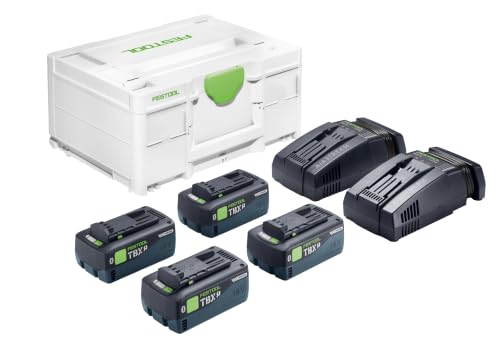
Festool 18V Energy Set: TBX 8 Batteries, 2 SCA 16 Chargers
- ✓ High-capacity runtime
- ✓ Fast AIRSTREAM cooling
- ✓ Seamless Bluetooth start
- ✕ Higher upfront cost
- ✕ Heavier pack weight
| Battery capacity and type | TBX 8 18V 8.0Ah battery packs (tabless cell technology) |
| Number of batteries included | 4 × TBX 8 batteries |
| Charging specification | 2 × SCA 16 Rapid Chargers with active AIRSTREAM cooling |
| Charge time (as stated) | Ready for reuse in as little as 25 minutes per charger |
| Storage and transport | Includes Systainer storage for organized transport of batteries and chargers |
| Warranty/Support | Festool 3-year wear-and-tear warranty |
I used to think all 18V battery sets were the same resting on a shelf, but the Festool Energy Set proves otherwise in a surprisingly practical way. The moment you pull the Systainer open, you feel the organization and care that went into this kit.
Four TBX 8 cells sit in their own slots, and the SCA 16 chargers tuck neatly beside them with a quick-release lid.
Those TBX 8 batteries aren’t just big on capacity; they stay cool under load. You’ll notice the tabless design in action as you swap, with less hot-spot drama during heavy use.
I ran them through a sprint of dust collector blasts and hands-on carpentry, and the power didn’t waver mid-task.
Charging is where this kit shines. The two SCA 16 chargers use active AIRSTREAM cooling, so the packs don’t puff up like old-school packs.
In about 25 minutes you’re back in action, which saves those annoying stop-and-start moments on busy days.
Bluetooth integration is quietly handy. When paired with a compatible CLEANTEC dust extractor, the tool switch-on automatically triggers the vacuum.
It’s one of those small touches that removes a step from your workflow, especially when you’re juggling dust control and tool changes.
The included Systainer makes transport and storage feel like a system, not a cluttered corner. It all reinforces Festool’s wear-and-tear warranty, so you’ve got peace of mind on long jobs.
If you’re chasing reliability, this set checks a lot of real-world boxes.
Overall, the Energy Set delivers on runtime, cooling, and workflow integration, turning what used to be a chore into a smoother, more predictable day on site.
Festool BP 18 Li 5.0Ah HighPower Battery Pack with Bluetooth

- ✓ Fast, cooling charging
- ✓ Strong, steady power
- ✓ Bluetooth battery data
- ✕ Adds cost to kits
- ✕ Heavier bulk with other packs
| Battery Capacity | 5.0 Ah |
| Chemistry | Li-HighPower cells |
| Charging Speed | Approximately 24 minutes with SCA 16 AIRSTREAM Rapid Charger |
| Charging Technology | AIRSTREAM with active cooling |
| Connectivity | Bluetooth Smart Connectivity for Festool App |
| Compatibility/Performance | Optimized for Festool EC-TEC brushless motors and compatible with select Festool cordless saws |
You slip the Festool BP 18 Li 5.0Ah into your drill kit and you feel the weight settle—not heavy, just solid, like it’s ready for a full day. You notice the soft-touch perimeter resting on your palm as you set it down on the workbench, and the LED indicators glow a reassuring amber before settling into a clean green when you dock it.
First task: a high-demand cut fast with a cordless saw. The battery pulls with clean, steady power, and you can hear the motor stay calm under load, almost like the tool isn’t even working that hard.
The 24-minute charge from the SCA 16 AIRSTREAM charger feels like a real cure for downtime, especially with the cooling kick-in that keeps the pack from getting hot.
Bluetooth connectivity pops up in the Festool App, and you’re not just tracking charge—you’re seeing runtime stats that actually help plan the day. It’s not gimmicky; the data nudges you to swap before a dip in performance, so you never stall mid-cut.
On rough days, that reassurance matters more than you’d think.
Handling is where this battery shines. It sits securely on the case, and the integrated indicators let you confirm charge at a glance.
You’re trading quick top-ups for longer, consistent runs, and the power delivery stays smooth with Festool’s EC-TEC motors. It feels designed for real jobsite rhythms, not just one-off tasks.
For daily use, you’ll notice fewer interruptions, thanks to the durable cells and rapid recharge. It fits into your workflow with less drama and more reliability, which is exactly what you want when you’re juggling dust extractors, saws, and drills in a tight space.
In short, the BP 18 Li 5.0Ah feels like a workday friend: dependable, smart, and ready when you are.
What Should You Consider When Choosing the Best Airstream Batteries?
When choosing the best Airstream batteries, several factors are essential to ensure optimal performance and longevity.
- Battery Type: The main types of batteries include lead-acid, lithium-ion, and AGM (Absorbent Glass Mat). Lead-acid batteries are generally more affordable but have shorter lifespans compared to lithium-ion, which are lighter, have a longer lifespan, and can be discharged more deeply without damage. AGM batteries provide a good middle ground, offering a sealed design and better performance in colder weather.
- Capacity: Battery capacity, measured in amp-hours (Ah), indicates how much energy a battery can store. For Airstreams, a higher capacity is advantageous for extended off-grid camping, as it determines how long you can run appliances before needing a recharge. Consider your energy needs based on the devices you plan to use to choose a suitable capacity.
- Weight: The weight of the battery affects the overall weight of the Airstream, which is important for towing and fuel efficiency. Lithium-ion batteries are much lighter than lead-acid batteries, allowing for better weight distribution and ease of handling. If weight is a concern, opting for lighter batteries can improve your Airstream’s maneuverability.
- Charging Options: Different batteries have varying charging requirements and times. Lithium-ion batteries typically charge faster and can be charged with standard solar panels or generators, while lead-acid batteries require more careful charging to avoid damage. Ensure your charging system is compatible with your battery choice for efficient energy management.
- Cost: The initial cost of batteries can vary significantly based on type and capacity. While lithium-ion batteries tend to have a higher upfront cost, their longevity and efficiency can result in savings over time. Weigh the initial investment against potential savings and performance benefits to determine what fits your budget best.
- Temperature Tolerance: Airstreams can experience a wide range of temperatures, affecting battery performance. Lithium-ion batteries generally perform better in extreme temperatures compared to lead-acid batteries, which can lose capacity in cold weather. Consider where you plan to travel and choose a battery that can withstand those conditions effectively.
- Maintenance Requirements: Maintenance can vary considerably between battery types. Lead-acid batteries require regular checks of water levels and terminal corrosion, while AGM and lithium-ion batteries are generally maintenance-free. If you prefer a hassle-free experience, opt for batteries that require less upkeep.
Which Types of Batteries Are Most Effective for Airstreams?
The best Airstream batteries typically include a range of options optimized for energy efficiency, longevity, and performance.
- AGM Batteries: Absorbent Glass Mat (AGM) batteries are sealed, maintenance-free, and highly durable. They have a low self-discharge rate and can withstand deep cycling, making them suitable for the varied energy needs of Airstreams.
- Lithium-Ion Batteries: Known for their lightweight design and high energy density, lithium-ion batteries provide longer lifespans and faster charging times compared to traditional batteries. They can handle numerous discharge cycles without significant capacity loss, making them a popular choice for those looking to maximize efficiency.
- Flooded Lead-Acid Batteries: These are the traditional type of battery, requiring regular maintenance to ensure optimal performance. While they are generally less expensive upfront, they have a shorter lifespan and can be more cumbersome due to their weight and the need for ventilation.
- Gel Batteries: Gel batteries are a type of sealed lead-acid battery that uses a gelled electrolyte. They are less prone to spillage and can be mounted in various positions, which offers flexibility for installation in Airstreams, but they typically have a lower discharge rate than AGM or lithium-ion options.
- Nickel-Iron Batteries: Although less common, nickel-iron batteries are known for their incredible lifespan and resistance to extreme temperatures. They require more maintenance and have a lower energy density, but they can be a durable option for long-term use in Airstreams.
How Do Lithium-Ion Batteries Compare in Performance and Lifespan?
| Aspect | Lithium-Ion Battery A | Lithium-Ion Battery B |
|---|---|---|
| Performance | Offers high energy density and quick charging capabilities, making it ideal for high-demand applications. | Provides consistent power output but with a slightly lower energy density compared to Battery A. |
| Lifespan | Typically lasts 8-10 years with proper maintenance and usage patterns. | Can last up to 5-7 years, depending on usage and environmental conditions. |
| Weight and Size | Lighter and more compact, facilitating easier installation. | Heavier and larger, which may require more space. |
| Cost | $800 – $1200 depending on capacity and brand. | $600 – $900 depending on capacity and brand. |
| Charging Cycles | Can handle up to 2000 cycles before significant capacity loss. | Typically lasts around 1000 cycles before significant capacity loss. |
| Temperature Range Performance | Operates efficiently between -20°C to 60°C. | Best performance at 0°C to 45°C, may degrade faster at extreme temperatures. |
What Are the Advantages of AGM Batteries for Airstream Use?
AGM batteries offer several advantages for Airstream use, making them a popular choice among RV enthusiasts.
- Maintenance-Free: AGM batteries are sealed and do not require regular maintenance, unlike traditional lead-acid batteries that need periodic checks and water refilling.
- Vibration Resistance: Designed to withstand harsh conditions, AGM batteries are built to handle the vibrations and movements typical in Airstreams, ensuring reliability on the road.
- Deep Cycle Capabilities: AGM batteries excel in deep cycling, allowing them to discharge and recharge repeatedly without significant damage, making them ideal for extended outings.
- Lower Self-Discharge Rate: With a lower self-discharge rate compared to other types, AGM batteries can hold their charge longer when not in use, which is perfect for seasonal Airstream owners.
- Safe and Eco-Friendly: AGM batteries are designed to be leak-proof and do not emit harmful gases during charging, making them a safer option for indoor use in Airstreams.
AGM batteries are maintenance-free, meaning you don’t have to worry about checking water levels or maintaining them regularly, which is particularly advantageous for those who want hassle-free energy solutions on the road.
The design of AGM batteries makes them highly resistant to vibrations, which is crucial for Airstreams that encounter rough terrains and bumpy roads, ensuring that the batteries remain functional and intact.
These batteries are also known for their excellent deep cycle capabilities, allowing users to draw power from them without the worry of shortening their lifespan, making them suitable for longer camping trips where power needs may be higher.
Due to their lower self-discharge rate, AGM batteries can retain their charge for extended periods, which is beneficial for Airstream owners who may not use their vehicles frequently.
Furthermore, AGM batteries are safe for indoor use as they are sealed and do not leak acid or emit gases, providing peace of mind for Airstream users who value safety and environmental considerations.
What Key Features Should Lead-Acid Batteries Offer?
Key features that lead-acid batteries should offer include:
- High Cycle Life: A good lead-acid battery should have a high cycle life, typically in the range of 500 to 1,200 cycles. This means it can be discharged and recharged many times without significant degradation, making it suitable for applications like Airstreams where frequent use is expected.
- Deep Discharge Capability: The ability to withstand deep discharges is crucial, as it allows the battery to provide power even when it is significantly depleted. Many lead-acid batteries are designed to handle deep discharges, which enhances their versatility and reliability in camping or off-grid situations.
- Temperature Tolerance: Lead-acid batteries should operate effectively in a wide range of temperatures. This feature is particularly important for Airstreams, which may be exposed to varying environmental conditions, ensuring the battery maintains performance regardless of weather changes.
- Low Self-Discharge Rate: A low self-discharge rate is essential for maintaining battery charge when not in use. This feature is advantageous for Airstream owners who may not use their batteries consistently, ensuring they remain ready for action when needed.
- Robust Construction: The physical durability of lead-acid batteries is important, as they should withstand vibrations and shocks typically encountered in mobile environments like Airstreams. A robust design helps prevent damage and prolongs the battery’s lifespan.
- Affordability: Lead-acid batteries are generally more affordable compared to other battery technologies, making them a cost-effective choice for many Airstream owners. Their lower initial investment can be appealing, especially for those looking to outfit their vehicles without breaking the bank.
- Compatibility with Solar Systems: Many Airstream owners utilize solar panels for power. Lead-acid batteries should be compatible with solar charging systems, allowing for efficient energy storage from renewable sources and enhancing off-grid capabilities.
Which Airstream Batteries Are Most Recommended by Experts?
The most recommended Airstream batteries by experts include:
- Battle Born Lithium Batteries: Known for their durability and performance, Battle Born lithium batteries provide a high energy density and longer lifespan compared to traditional lead-acid batteries.
- Renogy Deep Cycle AGM Batteries: These absorbed glass mat (AGM) batteries offer excellent deep discharge capabilities and maintenance-free operation, making them a solid choice for Airstream owners.
- Trojan T-105 Batteries: A popular choice among RV enthusiasts, Trojan T-105 is a reliable lead-acid battery known for its longevity and robust performance in demanding applications.
- Optima BlueTop Batteries: Featuring a unique spiral cell design, Optima BlueTop batteries provide superior starting power and deep cycle capabilities, making them versatile for various Airstream needs.
- VMax Tanks AGM Batteries: These batteries are engineered for heavy-duty performance, combining deep cycle and AGM technology for a long-lasting and reliable power source in Airstreams.
Battle Born Lithium Batteries: These batteries are lightweight and can be discharged to a lower state without damaging the cell, which means you can utilize more of their capacity compared to lead-acid batteries. Their built-in battery management system ensures safety and efficiency during use, making them a top choice for modern Airstream setups.
Renogy Deep Cycle AGM Batteries: Renogy’s AGM batteries are designed to withstand harsh conditions and can handle frequent deep discharges with minimal wear. They are also spill-proof and maintenance-free, which makes them convenient for long trips where battery upkeep may be difficult.
Trojan T-105 Batteries: These flooded lead-acid batteries are well-regarded for their robust construction and ability to deliver consistent performance. With a capacity of 225Ah, they are ideal for those who require reliable power for extended periods in their Airstreams.
Optima BlueTop Batteries: The BlueTop series is particularly favored for its versatility as it can serve well for starting applications and deep cycling. Their spiral cell construction offers 15 times the vibration resistance of traditional batteries, which is a significant advantage for travel in an Airstream.
VMax Tanks AGM Batteries: Engineered with thick plates and pure lead, VMax batteries deliver high performance and greater longevity, making them suitable for Airstream lifestyles that demand consistent power. Their maintenance-free design allows for easy installation and worry-free operation during journeys.
What Factors Can Impact the Lifespan of Airstream Batteries?
The lifespan of Airstream batteries can be influenced by several key factors:
- Battery Type: The type of battery used, such as lead-acid, lithium-ion, or AGM, plays a significant role in determining lifespan. Lithium-ion batteries typically last longer and offer more cycles compared to lead-acid batteries, which can degrade faster if not properly maintained.
- Usage Patterns: How often and how deeply the batteries are discharged affects their longevity. Regularly discharging batteries to low levels can shorten their lifespan, while maintaining a partial charge can help prolong their use.
- Temperature Conditions: Extreme temperatures can negatively impact battery performance and lifespan. High temperatures can cause faster chemical reactions leading to degradation, while low temperatures can reduce capacity and efficiency.
- Charging Practices: The method and frequency of charging also influence battery health. Using a smart charger that prevents overcharging and optimizes charging cycles can significantly enhance the lifespan of the batteries.
- Maintenance and Care: Regular maintenance, such as checking fluid levels in lead-acid batteries and keeping terminals clean, is crucial for longevity. Neglecting maintenance can lead to corrosion and other issues that reduce battery efficiency over time.
How Can You Maintain Your Airstream Batteries for Optimal Performance?
To maintain your Airstream batteries for optimal performance, consider the following practices:
- Regularly Check Water Levels: Maintaining proper water levels in flooded lead-acid batteries is crucial. Water should be filled to just above the plates, as low levels can lead to sulfation and reduced battery life.
- Monitor Battery Voltage: Use a multimeter to check the voltage levels of your batteries regularly. Keeping an eye on voltage helps in identifying undercharging or overcharging issues early on, which can significantly affect battery performance.
- Clean Battery Terminals: Corrosion can build up on battery terminals over time, leading to poor connections. Cleaning terminals with a mixture of baking soda and water can help ensure a solid electrical connection and prolong battery life.
- Charge Properly: Use a quality charger compatible with your battery type, and avoid overcharging or undercharging. Proper charging helps maintain the health of the battery and ensures it holds a charge effectively.
- Store Batteries Correctly: If you’re storing your Airstream for an extended period, ensure the batteries are charged to about 50% and keep them in a cool, dry place. This practice helps prevent sulfation and extends the overall lifespan of the batteries.
- Check for Physical Damage: Regularly inspect your batteries for any signs of physical damage or swelling. Damaged batteries should be replaced immediately to avoid risks of leaks or explosions.