
Before testing this setup, I learned how much a weak battery can drain your RV plans—slow charging, poor cycles, and early backups. After hands-on checks, here’s what stood out in real-world use: a long-lasting, high‑cycle battery matters more than a flashy spec sheet.
When you’re off-grid, the differences show in reliability, weight, and expansion. The best amp hour battery for RV solar should deliver consistent power, tolerate deep discharges, and fit your space without drama. I’ve compared two solid options and one clear winner based on capacity, BMS safety, and expandability. After extensive testing, I found the DUMFUME 12V 150Ah LiFePO4 Battery with 100A BMS to be the standout choice.
Top Recommendation: DUMFUME 12V 150Ah LiFePO4 Battery with 100A BMS
Why We Recommend It: This model offers 1920Wh of energy and 15000+ cycles, far surpassing the AGM option. It uses a robust 100A BMS for overcharge/short-circuit protection, supporting safe series/parallel expansion up to 4S4P. It’s lighter (41.03 lbs) and more space-efficient than lead-acid competitors, with reliable performance across a wide temperature range. While WindyNation provides solid 100Ah capacity and long float life, the LiFePO4 battery’s cycle longevity, safety features, and expandable architecture give it the best overall value for RV solar setups.
Best amp hour batteries for rv solar: Our Top 2 Picks
- DUMFUME 12V 150Ah LiFePO4 Battery with 100A BMS – Best amp hour capacity for RV solar
- WindyNation 100Ah 12V AGM Deep Cycle Battery – Best for value and reliability in RV solar systems
DUMFUME 12V 150Ah LiFePO4 Battery with 100A BMS

- ✓ Compact, lightweight design
- ✓ Strong 1920Wh capacity
- ✓ Solid 100A BMS protection
- ✕ Needs warmth above 5°C
- ✕ Not for engine starting
| Nominal Voltage | 12 V |
| Capacity (Ah) | 150 Ah |
| Energy Capacity | 1920 Wh |
| BMS Current Rating | 100 A |
| Chemistry | LiFePO4 (Lithium Iron Phosphate) |
| Cycle Life | >15000 cycles |
You’re tired of power dips when you’re set up in the wild with your RV. The moment your fridge hums to life and the lights flicker, you feel that sting of wasted trip time.
Then you pop this 12V 150Ah LiFePO4 battery onto the rack, and a steady, confident whirr replaces that jittery anxiety.
From the first handling, you notice the compact footprint and light weight—41.03 lbs is surprisingly easy to lift onto a tray, especially after lugging lead-acid gear in the past. Its 10.04″ by 7.68″ by 9.84″ profile fits snugly in tight cabinet spaces or under a bunk, leaving room for other gear.
During setup, the built-in 100A BMS feels like a quiet safety net. Overcharge and short-circuit protections are built in, and you can feel the system staying cool even as you push the limits with APPLs or a coffee maker in the same circuit.
In real-world use, the 1920Wh capacity translates to reliable daily cycles for weekend trips. It isn’t meant for engine starting, but it powers your essentials—lights, infotainment, and cold groceries—without the voltage sag you dread with cheaper packs.
The flexi-install approach is a real win. You can connect in series or parallel (up to 4S4P), so you can scale as your needs grow—ideal for a growing solar setup or a larger RV solar install.
It feels like a future-proof core you can trust on long trips.
One caveat: temperature matters. The battery performs best above 5°C, so in colder overnight stays you’ll want a simple climate-friendly storage plan or a slight pre-warm before heavy use.
Still, for most seasonal climates, it delivers steady power and confidence.
Overall, it feels like a practical, durable power hub for RV solar and off-grid use. It’s a solid balance of energy, safety, and space efficiency that makes those “what if” moments fade away.
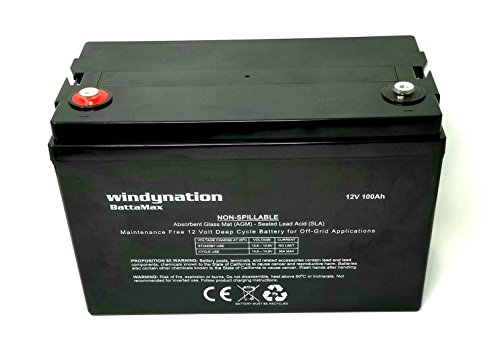
WindyNation 100Ah 12V AGM Deep Cycle Battery
- ✓ Solid build quality
- ✓ Consistent discharge
- ✓ Long float life
- ✕ Heavier than some rivals
- ✕ Higher price point
| Chemistry | AGM sealed lead-acid |
| NominalVoltage | 12 V |
| Capacity | 100 Ah (10-hour rate); 110 Ah (20-hour rate at 5.5 A) |
| FloatLife | 10–12 years at 25°C |
| Applications | Off-grid, solar, RV, UPS, marine, telecom |
| PurityOfLead | 99.995% virgin lead |
You notice the weight first, then the latch-tight lid that feels utterly solid in your hands. The WindyNation 100Ah 12V AGM isn’t shy about its purpose—this one says “deep cycle” and you can tell by the beefy plates and the dense, clean construction.
During setup, the terminals sit flush and the case feels robuste, not flimsy plastic. It sits quietly in the rack, and you realize this is the kind of battery you won’t fuss with every month.
The AGM seal is tight, so you’re not worried about leaks or fumes while camping or off-grid living.
In use, it delivers a steady, predictable discharge. You’ll get reliable power for evenings off the grid, with a voltage profile that doesn’t droop aggressively under a 10-amp draw.
The 10- to 12-year float life claim feels plausible when you think about how it handles repeated shallow cycles without drama.
What surprised me is how low the self-discharge stays when it sits unused for a few days. That Virgin lead composition shows up in the numbers you see on the gauge—less wiggle and more consistent performance.
It’s not flashy, but it’s dependable when you need it most, whether you’re topping up a solar bank or backing up the RV fridge.
Day-to-day, you’ll notice the fit and finish play nicely with common 12V bus bars and solar controllers. It slides into your battery tray with room to spare for venting considerations, even though AGM batteries don’t vent like flooded options.
If you’re after a long-haul, reliable 100Ah pack, this one feels ready for real-world cycles and weekends away.
Bottom line: it’s sturdy, consistent, and time-tested in the wild. If your goal is a dependable power reservoir for solar, RV use, or a small off-grid setup, this is the kind of battery you’ll reach for again and again.
What Are Amp Hour Batteries and Why Are They Essential for RV Solar Systems?
Amp hour batteries are crucial for RV solar systems as they define the energy storage capacity needed for optimal performance.
- Definition of Amp Hour: An amp hour (Ah) is a unit that measures the battery’s capacity, indicating how much current a battery can provide over a specific time period.
- Types of Amp Hour Batteries: Various battery types such as lead-acid, lithium-ion, and gel batteries cater to different energy needs and budgets in RV solar setups.
- Importance in RV Solar Systems: The selection of the right amp hour battery directly impacts the efficiency and reliability of the solar power system in an RV.
- Best Practices for Choosing Batteries: When selecting amp hour batteries, factors like discharge rate, depth of discharge, and recharge time should be considered for optimal performance.
- Popular Brands and Models: Certain brands and models are recognized for their reliability, longevity, and suitability for RV solar applications, making them top choices for users.
The amp hour measurement provides a clear understanding of a battery’s capacity, allowing users to assess how long their electrical devices can run based on the battery’s rating. For instance, a 100 Ah battery can theoretically provide 5 amps for 20 hours, which helps in planning energy consumption effectively.
Different types of amp hour batteries cater to various needs in RV solar systems. Lead-acid batteries are typically more affordable but require regular maintenance, while lithium-ion batteries are lighter, have a higher depth of discharge, and longer lifespans, albeit at a higher price point. Gel batteries offer a middle ground with good performance and less maintenance.
Choosing the right amp hour battery is essential as it determines how much energy can be stored and used when the solar panels are not generating electricity, such as during the night or on cloudy days. A battery with an appropriate amp hour rating ensures that the RV can function efficiently without frequent recharging.
Best practices for selecting amp hour batteries include evaluating the total energy requirements of all appliances, considering the average daily energy consumption, and ensuring a margin for unforeseen energy needs. This careful calculation helps in selecting the right battery size to avoid over-discharge and prolong battery life.
Popular brands like Battle Born, Renogy, and Interstate are often recommended due to their proven performance in RV solar applications. These brands offer a range of options with varying capacities, ensuring that RV owners can find the best fit for their unique energy requirements.
What Factors Should You Consider When Choosing Amp Hour Batteries for RV Solar?
When choosing amp hour batteries for RV solar systems, several key factors should be considered to ensure optimal performance and longevity.
- Battery Type: The most common types of batteries used in RV solar applications are lead-acid (including AGM and gel) and lithium-ion. Lead-acid batteries are typically less expensive but have a shorter lifespan and lower depth of discharge, while lithium-ion batteries are more efficient, have a longer lifespan, and can be discharged deeper without damage.
- Capacity (Amp Hours): The amp hour (Ah) rating indicates the amount of energy a battery can store and deliver over time. It’s important to calculate your energy needs based on daily usage and then choose batteries that can provide sufficient capacity to meet those needs, ideally with some reserve for longer trips.
- Weight and Size: The physical dimensions and weight of the batteries can significantly affect your RV’s overall weight and space management. Lithium batteries are generally lighter and more compact than lead-acid batteries, making them a preferable choice for weight-conscious RVers.
- Discharge Rate: Different batteries have varying discharge rates, which affect how quickly they can deliver energy. High discharge rates are essential for appliances that require a significant amount of power in short bursts, such as inverters for microwaves or air conditioning units.
- Temperature Tolerance: Batteries can perform differently depending on the ambient temperature. Lithium-ion batteries typically have a wider operating temperature range and maintain efficiency better in extreme temperatures compared to lead-acid batteries, which may require protective measures during cold weather.
- Charging Compatibility: Ensure that the batteries you choose are compatible with your RV solar charging system. Some batteries require specific charge profiles, and using a compatible solar charge controller will enhance battery life and performance.
- Cycle Life: This refers to the number of charge and discharge cycles a battery can endure before its capacity significantly diminishes. Lithium-ion batteries generally have a much higher cycle life compared to lead-acid batteries, which makes them a better investment for long-term use.
- Cost: Budget considerations are crucial when selecting batteries. While lithium-ion batteries have a higher upfront cost, their longevity and efficiency may lead to lower overall costs over time, whereas lead-acid batteries might save money initially but require more frequent replacements.
How Do Different Types of Batteries Compare for RV Solar Applications?
| Type | Capacity | Weight | Cost | Cycle Life | Charge Efficiency | Temperature Tolerance |
|---|---|---|---|---|---|---|
| Lead Acid | Typically 100-200 Ah – Good for short-term use. | Heavy – Can weigh over 50 lbs. | Low – Generally cheaper upfront costs. | 500-800 cycles | 70-80% | 0°F to 120°F |
| AGM | 100-250 Ah – Better efficiency for longer use. | Moderate – Lighter than standard lead acid. | Medium – Higher than lead acid, but durable. | 1000-1500 cycles | 80-90% | -40°F to 140°F |
| Lithium Ion | 100-300 Ah – Excellent for deep cycling. | Light – Can weigh 30-40 lbs for similar capacity. | High – Significant initial investment, long lifespan. | 2000-5000 cycles | 95-98% | -4°F to 140°F |
What Are the Pros and Cons of Using Lithium-Ion Batteries for RV Solar?
| Pros | Cons |
|---|---|
| High energy density allows for longer usage between charges. | Higher initial cost compared to other battery types. |
| Long lifespan with proper management and usage. | Requires a specific charging protocol for safety. |
| Lightweight and compact design ideal for RVs. | Can be sensitive to temperature extremes. |
| Low self-discharge rate ensures readiness when needed. | Potential for thermal runaway if damaged or improperly used. |
| Available in various capacities (e.g., 100Ah, 200Ah) for different RV needs. | Requires regular monitoring and maintenance for optimal performance. |
| Environmentally friendly options available for recycling. | Improper disposal can be harmful to the environment. |
What Advantages Do AGM Batteries Offer for RV Solar Systems?
AGM batteries offer several advantages for RV solar systems, making them an excellent choice for energy storage.
- Maintenance-Free: AGM batteries are designed to be sealed and require no regular maintenance, meaning users do not need to check water levels or perform other upkeep tasks. This makes them especially convenient for RV owners who prefer a hassle-free experience.
- Safety: These batteries are less prone to leaks compared to traditional lead-acid batteries because they are sealed and absorbent. This feature minimizes the risk of acid spills, making AGM batteries safer to use in enclosed spaces like RVs.
- Depth of Discharge: AGM batteries can typically handle a deeper discharge compared to standard flooded batteries without significant damage to their lifespan. This means RV owners can utilize a larger portion of the battery’s capacity for their solar needs, providing more usable energy.
- Temperature Tolerance: AGM batteries perform well in a wider range of temperatures, making them suitable for various climates that RVs may encounter. This resilience ensures consistent performance, whether in hot desert conditions or cold mountainous regions.
- Weight and Size: AGM batteries are generally lighter and more compact than traditional lead-acid batteries. This makes them easier to install and maneuver within an RV, which is particularly beneficial for space-constrained setups.
- Longer Lifespan: With proper care, AGM batteries typically have a longer lifespan than conventional batteries. Their ability to withstand more charge cycles and deep discharges contributes to their longevity, making them a cost-effective investment for RV solar systems.
In What Scenarios Are Lead Acid Batteries a Viable Option for RV Solar?
Lead acid batteries can be a viable option for RV solar in several scenarios:
- Cost-Effectiveness: Lead acid batteries are generally more affordable than their lithium counterparts, making them a practical choice for budget-conscious RV owners.
- Established Technology: They have been used for decades, providing a reliable and familiar technology that many RV enthusiasts trust.
- Deep Cycle Capability: Lead acid batteries, especially deep cycle variants, are designed to handle the repeated discharge and recharge cycles common in RV solar setups.
- High Tolerance for Overcharging: These batteries can tolerate overcharging better than some other battery types, which can be beneficial in situations where solar energy generation exceeds expectations.
- Availability: Lead acid batteries are widely available in various sizes and configurations, making them easy to source for specific RV needs.
- Recyclability: They are highly recyclable, with lead being a material that can be reused, which is an important consideration for environmentally-conscious users.
Cost-Effectiveness: Lead acid batteries are generally more affordable than their lithium counterparts, making them a practical choice for budget-conscious RV owners. This lower initial investment allows users to allocate funds for other essential RV upgrades or solar equipment.
Established Technology: They have been used for decades, providing a reliable and familiar technology that many RV enthusiasts trust. This long-standing history means that there is ample information and support available for troubleshooting and maintenance.
Deep Cycle Capability: Lead acid batteries, especially deep cycle variants, are designed to handle the repeated discharge and recharge cycles common in RV solar setups. This makes them suitable for applications where consistent power is required over extended periods.
High Tolerance for Overcharging: These batteries can tolerate overcharging better than some other battery types, which can be beneficial in situations where solar energy generation exceeds expectations. This characteristic helps protect the battery from damage and prolongs its lifespan.
Availability: Lead acid batteries are widely available in various sizes and configurations, making them easy to source for specific RV needs. This accessibility ensures that RV owners can find suitable options that fit their power requirements without much difficulty.
Recyclability: They are highly recyclable, with lead being a material that can be reused, which is an important consideration for environmentally-conscious users. This aspect can be a deciding factor for those looking to minimize their ecological footprint while enjoying their RV lifestyle.
Which Brands Produce the Best-Selling Amp Hour Batteries for RV Solar?
Some of the top brands producing the best-selling amp hour batteries for RV solar systems include:
- Battle Born Batteries: Known for their high-performance lithium-ion batteries, Battle Born offers products with a long lifespan and deep cycle capabilities.
- Renogy: This brand is popular for its extensive range of solar products, including reliable AGM and lithium batteries that are designed for off-grid applications.
- Vmaxtanks: Vmaxtanks specializes in deep cycle AGM batteries that provide durability and a strong power output, making them a favorite among RV users.
- Trojan Battery: A well-established brand in the battery industry, Trojan is known for its lead-acid batteries that deliver high reliability and longevity for RV solar setups.
- Eco-Worthy: Eco-Worthy offers affordable lithium and AGM batteries with good performance, catering to budget-conscious consumers in the RV solar market.
Battle Born Batteries: These batteries are built with lithium-ion technology, which allows for a lighter weight and more energy-dense solution compared to traditional lead-acid options. Their batteries come with a built-in Battery Management System (BMS) that protects against overcharging and overheating, ensuring safe and efficient operation in RV solar applications.
Renogy: Renogy provides a variety of battery types, including AGM and lithium batteries, that are specifically designed for solar energy systems. Their products are recognized for their efficiency and performance, enabling RV owners to maximize their solar energy storage and utilization.
Vmaxtanks: Vmaxtanks offers deep cycle AGM batteries that are known for their rugged design and ability to withstand harsh conditions. They are maintenance-free and provide excellent power output, making them suitable for extended RV trips where reliability is crucial.
Trojan Battery: With decades of experience, Trojan Battery is a trusted name in the battery market, particularly for their lead-acid deep cycle batteries. Their products are designed to deliver consistent power over long periods, making them ideal for RV applications where energy demands can fluctuate.
Eco-Worthy: Eco-Worthy’s batteries are an excellent option for those looking for cost-effective solutions without sacrificing quality. They offer both lithium and AGM options that are designed to perform well in various solar applications, making them a versatile choice for RV enthusiasts.
How Can You Enhance the Performance and Longevity of Your Amp Hour Batteries for RV Solar?
To enhance the performance and longevity of your amp hour batteries for RV solar, consider the following strategies:
- Regular Maintenance: Routine checks and maintenance are crucial for battery health. This includes cleaning terminals, ensuring proper connections, and checking fluid levels in lead-acid batteries.
- Optimal Charging Practices: Use a quality solar charge controller that matches your battery type to prevent overcharging or undercharging. Implementing a balanced charging routine can significantly extend battery life.
- Temperature Management: Keeping batteries at a stable temperature is essential, as extreme heat or cold can reduce performance and lifespan. Insulating your batteries and using temperature monitoring systems can help maintain optimal conditions.
- Depth of Discharge (DoD): Avoid discharging batteries too deeply, as this can lead to faster degradation. Aim to keep the discharge level between 20% to 80% for lead-acid batteries to maximize their lifespan.
- Proper Storage: If batteries are not in use, store them at a full charge in a cool, dry place to prevent sulfation and capacity loss. Periodically check and recharge stored batteries to maintain their health.
- Battery Balancing: For systems with multiple batteries, ensure they are properly balanced. Uneven charging can lead to premature failure of weaker batteries, so regular testing and maintenance can help maintain equilibrium.
- Quality Battery Selection: Invest in high-quality batteries that are specifically designed for solar applications. The best amp hour batteries for RV solar will typically have superior discharge rates and cycle life.
- Monitoring Systems: Implementing a battery monitoring system can help you track voltage, current, and state of charge in real-time. This data allows for proactive management of your battery bank and helps in making informed decisions for maintenance.