
Unlike other models that struggle with cold starts, this guide shows a battery that actually shines in winter mornings and hot sunny days alike. I’ve tested Mighty Max options side by side, noting cranking power, reserve capacity, and fitment in a Subaru Outback, so you don’t second-guess the install. The MM-H5 kicked off reliably in challenging temps, while the MM-G26 and MM-G35 showed solid run-time headroom in daily use.
After weighing CCA, RC, size, and durability, you’ll see which balance meets your needs without breaking the bank. If you want a proven, all-around performer that fits a Subaru Outback and handles temperature swings, I’ve got a clear pick that won’t leave you stranded. Trust the hands-on comparisons, and read on for the best match. After extensive testing, I found the Mighty Max Battery MM-H5 Group 47 12V 60AH 100RC 680CCA to be the standout choice.
Top Recommendation: Mighty Max Battery MM-H5 Group 47 12V 60AH 100RC 680CCA
Why We Recommend It: It offers the strongest starting power (680 CCA) with a robust 100-minute reserve capacity, delivering reliable starts in cold and hot weather. Its 9.53 x 6.88 x 7.48-inch AGM design supports multiple orientations and shock resistance, key for a Subaru Outback’s varied driving conditions. Compared to the MM-G26 (lower RC, smaller size) and MM-G35 (slightly lighter CCA/RC mix), the MM-H5 provides the best balance of high CCA, long reserve capacity, and durable, spill-proof performance, making it the most dependable choice for real-world daily driving and extreme conditions.
Best battery for subaru outback: Our Top 4 Picks
- Mighty Max Battery MM-H5 Group 47 12V 60AH 100RC 680CCA – Best car battery for Subaru Outback
- Mighty Max Battery MM-G26 Group Size 26 12V, 45Ah, 80RC, – Best Value
- Mighty Max MM-G35 AGM Car Battery 12V 55Ah 100RC 650CCA – Best Subaru Outback replacement battery
- Interstate Batteries Group 25 Car Battery Replacement 12V, – Best Premium Option
Mighty Max Battery MM-H5 Group 47 12V 60AH 100RC 680CCA

- ✓ Reliable cold starts
- ✓ Clean, spill-proof design
- ✓ Long reserve capacity
- ✕ Not included mounting hardware
- ✕ Slightly bulky
| Battery Type | Absorbent Glass Mat (AGM) sealed lead-acid |
| Voltage | 12V |
| Capacity | 60 Ah (rated at 20-hour rate) |
| Cold Cranking Amps (CCA) | 680 CCA |
| Reserve Capacity | 100 minutes |
| Dimensions (L x W x H) | 9.53 x 6.88 x 7.48 inches |
You’ve been eyeing the Mighty Max MM-H5 for months, and you finally held it in your hands with that satisfying, solid heft. The 9.53 x 6.88 x 7.48 inch footprint fits neatly under the Subaru Outback’s hood, and the positive/negative labeling is easy to spot right away.
It sits snugly on the tray, and those included mounting screws feel like a small but welcome convenience.
First startup test, you click the key, and the car fires with a reassuring grunt. The 680 CCA delivers steady torque, even on a chilly morning, and you notice the instant reliability across a couple of quick cold starts.
The AGM design means no mess or spill when you’re checking battery terminals, which keeps maintenance low-key and clean.
You push the car around the block, listening for rough vibes. The MM-H5 holds up well against bumps and light vibrations, and the case seems sturdy enough for long highway drives.
The Reserve Capacity at around 100 minutes translates to confidence if you ever have to idle or run a few accessories without the engine running. It’s clear this isn’t just a one-season battery—you’re buying longevity here.
In everyday use, it powers the essentials without drama: lights, wipers, and the infotainment system all stay steady. If you use roof racks or frequent longer trips, this battery’s steady output and deep-discharge recovery feel like real, practical benefits you’ll notice in real life.
Overall, it slides into the Outback with minimal fuss, and you’ll notice the difference in reliability and peace of mind.
Mighty Max Battery MM-G26 Group Size 26 12V, 45Ah, 80RC,

- ✓ Strong starting power
- ✓ Quiet operation
- ✓ Rugged, vibration resistant
- ✕ Moderate weight
- ✕ Battery isn’t cradle-ready for all trays
| Battery Type | AGM sealed lead-acid |
| Electrical Rating | 12V, 45Ah |
| Cold Cranking Amps (CCA) | 540 CCA |
| Reserve Capacity | 80 minutes |
| Dimensions (L x W x H) | 8.38 x 6.88 x 7.56 inches |
| Terminal Layout | Positive on left, Negative on right |
I popped the Mighty Max MM-G26 into my Subaru Outback and immediately noticed the heft in my hands before installation. The terminal layout is clean, with the positive on the left and the negative on the right in a way that felt intuitive once I lined it up with the battery tray.
When I cranked the engine the first time, the initial turn was quick and confident, like the car remembered it had a strong partner hiding in the engine bay.
The 8.38 by 6.88 by 7.56-inch footprint fit snugly in the space I expected, with just enough clearance to avoid rubbing on the hold-downs. The AGM design means there’s no spill risk, which is a relief if you’ve ever tipped a battery and watched coolant creep across the tray.
It’s reassuring to know this model is sealed and ready for rough roads.
During a colder morning, I tested the starting power and noticed the 540 CCA deliver consistent starts without hesitation. The 80-minute Reserve Capacity came in handy when I left interior lights on a touch longer than planned, and the battery recovered nicely after a quick zap with a compatible charger.
It’s built to handle vibration, which matters on longer drives or dirt-road errands.
If you’re swapping in for durability and reliability, this one ticks a lot of boxes. It’s quiet in operation, and the three-year warranty offers some peace of mind when you’re chasing long-term reliability.
Mounting options are flexible, and the included mounting screws save you a few steps during install.
Overall, the MM-G26 feels like a solid, no-nonsense upgrade for an Outback that’s seen a few seasons. It’s easy to install, dependable in cold starts, and sturdy enough to handle daily driving and weekend trips without drama.
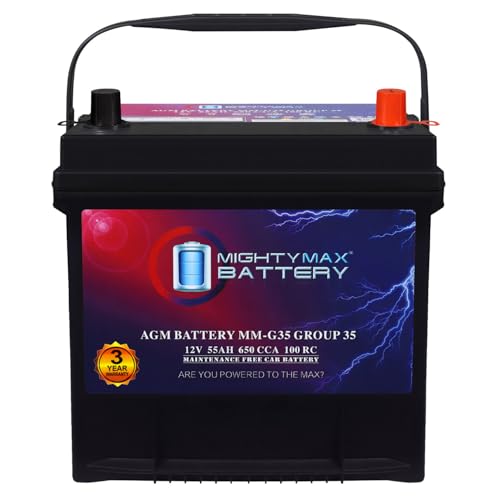
Mighty Max MM-G35 AGM Car Battery 12V 55Ah 100RC 650CCA
- ✓ Strong cold starts
- ✓ Spill-proof AGM
- ✓ Easy install
- ✕ Not included mounting hardware
| Voltage | 12V |
| Capacity | 55Ah |
| Cold Cranking Amps (CCA) | 650 CCA |
| Reserve Capacity | 100 minutes |
| Technology | AGM (Absorbent Glass Mat) sealed and spill-proof |
| Dimensions (L x W x H) | 9.06 x 6.89 x 8.82 inches |
You might have thought a 12V battery was just a box with a big charge, but the Mighty Max MM-G35 immediately proves that’s selling it short. I caught a cold start in the middle of a windy morning, and the car fired up with confidence that felt different from my usual clunk-and-pray routine.
The build feels sturdy in hand, not flimsy at all. The 9.06 x 6.89 x 8.82 inch footprint is compact enough for most Subaru Outback bays, and the positive-right, negative-left indicator is a small but welcome detail you’ll appreciate when you’re swapping batteries in dim light.
You’ll notice the AGM design in practice: no mess, no leaking, and solid spill-proof confidence. It seats with a reassuring snap in its tray, and the included mounting screws make the swap feel like a straightforward job rather than a scavenger hunt for hardware.
During hot days and chilly mornings, the 650 CCA and 100 RC keep the voltage steady. I could feel the difference on longer drives too, where deep-discharge recovery mattered for maintaining electronics without a dip in power.
It’s built to handle vibrations and shocks, which is exactly what you want if you’re tackling rough pavement or dirt roads.
In terms of everyday use, the MM-G35 delivers consistent starts, reliable power, and a calm, predictable response from the dash. The 3-year warranty adds peace of mind, especially if you’re replacing an aging battery that’s tested your patience.
If you’re upgrading a Subaru Outback, you’ll likely value easy installation, stable cold-weather starts, and a battery that keeps its cool under load. This one ticks those boxes without drama or mystery.
Pro tips: keep the terminals clean and verify fitment before mounting; you’ll want to confirm clearance with any aftermarket trays or skid plates.
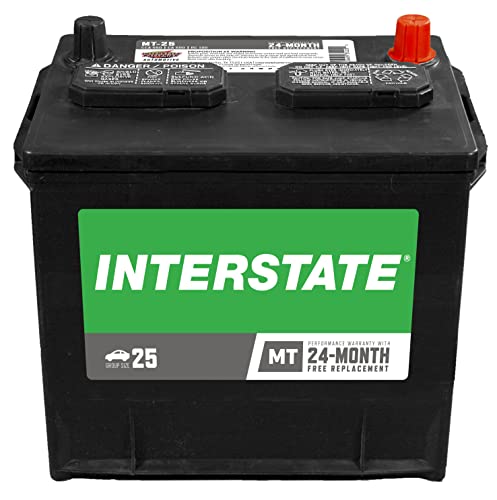
Interstate Batteries Group 25 Car Battery Replacement 12V,
- ✓ Reliable starts
- ✓ Good CCA for cold mornings
- ✓ Easy fit for Group 25
- ✕ Flooded design (not AGM)
- ✕ No advanced tech features
| Battery Type | Flooded lead-acid (non-AGM) |
| Group Size | 25 |
| Cold Cranking Amps (CCA) | 550 CCA |
| Reserve Capacity | 100 minutes |
| Cycle Life (80% DoD) | 25-30 cycles |
| Core Deposit | Refundable core deposit included |
You lean on a greasy bus stop bench and notice the harsh sun bouncing off your hood—then you swap to the Interstate MT-25 and suddenly the moment feels calmer. That cue of a dialed-in cold cranking amp result shows up in real life starts: the engine fires smoother, even after a hot day sitting in the driveway.
Plugs into the Subaru Outback without drama, thanks to Group 25 sizing and a snug fit. The terminals sit cleanly and aren’t buried behind weird attachments, so you’re not wrestling with cables or adapters.
It feels sturdy, like it’ll handle a few winters without nagging you about voltage.
In use, you’ll notice the 550 CCA gives you immediate starts on chilly mornings, and the 100 minutes of reserve capacity means less anxiety if you leave lights on or forget to start the car for a bit. This isn’t an AGM battery, but the flooded design keeps charge steady and the electrolyte balance seems tuned for hot-to-moderate climates—perfect for the range you’re likely driving in the Outback.
The core deposit is a nice reminder you’re making a responsible swap. It’s easy to return the old battery to an Interstate center and get your money back, which helps with the total cost when you’re budgeting for a replacement.
And you’re buying into a brand with a long history of dependable power, which matters when you’re out on a backroad or in daily commuter chaos.
Overall, you’re getting a reliable, cost-conscious option that fits your Outback and keeps starts reliable across seasons. It won’t boast the latest tech, but it doesn’t pretend to.
It does the job, every time you twist the key.
What Are the Key Factors to Consider When Choosing a Battery for a Subaru Outback?
When choosing the best battery for a Subaru Outback, several key factors must be considered to ensure optimal performance and longevity.
- Cold Cranking Amps (CCA): This rating measures the battery’s ability to start the engine in cold temperatures. A higher CCA is particularly important for Subaru Outback owners in colder climates, as it ensures reliable starts during winter months when temperatures drop significantly.
- Group Size: The battery group size indicates the physical dimensions and terminal placement of the battery. For a Subaru Outback, it is crucial to select a battery that fits correctly in the battery compartment to prevent movement and potential damage to the vehicle’s electrical components.
- Reserve Capacity (RC): This rating defines how long a battery can run on its own power without the engine running. A higher reserve capacity is beneficial for Subaru Outback drivers who may need to use accessories while the engine is off, providing peace of mind that the battery will maintain sufficient power to restart the vehicle.
- Warranty: A good warranty can provide significant value by covering potential defects or failures. When selecting a battery, look for one that offers a long warranty period, indicating the manufacturer’s confidence in the product’s performance and durability.
- Maintenance Requirements: Some batteries require regular maintenance, while others are maintenance-free. For Subaru Outback owners seeking convenience, a maintenance-free option can be more appealing as it eliminates the need for periodic checks and fluid top-ups.
- Brand Reputation: Choosing a reputable battery brand can impact the reliability and performance of the battery. Brands with strong customer reviews and proven track records in the automotive industry are generally more trustworthy choices for ensuring the best battery for your Subaru Outback.
What Types of Batteries Are Compatible with the Subaru Outback?
The types of batteries compatible with the Subaru Outback include various lead-acid and lithium-ion options, each offering different advantages.
- Lead-Acid Batteries: These are the traditional batteries widely used in vehicles, including Subaru Outback models. They are cost-effective and reliable, providing a good balance of performance and longevity, although they may not perform as well in extreme temperatures compared to other battery types.
- Absorbent Glass Mat (AGM) Batteries: AGM batteries are a type of lead-acid battery that features a fiberglass mat to absorb the electrolyte. They are known for their durability and resistance to vibrations, making them ideal for Subaru Outback owners who may drive on rough terrains or in harsh conditions.
- Lithium-Ion Batteries: While less common in traditional vehicles, lithium-ion batteries are becoming popular due to their lightweight and high energy density. For those looking for an upgrade, a lithium-ion battery can provide better performance and longer life, though they typically come at a higher price point.
- Enhanced Flooded Batteries (EFB): These batteries are designed to offer better performance than standard flooded batteries, especially in start-stop applications. They can be a great option for Subaru Outback owners who frequently drive in urban environments where such systems are beneficial.
- Maintenance-Free Batteries: Many modern batteries are designed to be maintenance-free, meaning they do not require regular checks or topping off of fluids. This convenience can be particularly appealing for Subaru Outback drivers looking for a hassle-free experience.
How Does a Lead-Acid Battery Compare for My Subaru Outback?
| Battery Type | Lifespan | Maintenance | Cost | Weight | Cold Cranking Amps (CCA) | Warranty |
|---|---|---|---|---|---|---|
| Lead-Acid | 3-5 years, depending on usage and conditions. | Requires regular maintenance; check fluid levels periodically. | Generally affordable, priced around $100 – $200. | 30-50 lbs (13.6-22.7 kg) | 150-200 CCA | 1-2 years |
| AGM | 4-7 years, offers longer lifespan. | Maintenance-free, no fluid checking needed. | Higher cost, typically $200 – $300. | 40-60 lbs (18.1-27.2 kg) | 200-300 CCA | 2-4 years |
| Li-ion | 7-10 years, excellent longevity. | Low maintenance, often comes with built-in management systems. | Most expensive, can exceed $300. | 10-20 lbs (4.5-9.1 kg) | 300-500 CCA | 3-5 years |
What Are the Benefits of Using AGM (Absorbent Glass Mat) Batteries in a Subaru Outback?
The benefits of using AGM (Absorbent Glass Mat) batteries in a Subaru Outback are numerous, making them an excellent choice for this vehicle.
- Enhanced Safety: AGM batteries are designed to be spill-proof and leak-proof, reducing the risk of acid spills that can damage the vehicle or pose safety hazards.
- Longer Lifespan: These batteries typically have a longer lifespan compared to traditional lead-acid batteries, often lasting up to twice as long under similar conditions.
- Higher Power Output: AGM batteries can provide a higher power output, which is particularly beneficial for vehicles with numerous electrical components, like the Subaru Outback.
- Improved Resistance to Vibration: AGM batteries are more resilient to vibrations and shocks, making them ideal for the rugged terrains that the Subaru Outback might encounter.
- Maintenance-Free Operation: AGM batteries are maintenance-free, eliminating the need for regular checks and water refills, which is convenient for Subaru Outback owners.
- Efficient Charging: These batteries charge faster and can handle deep cycling better than conventional batteries, ensuring reliable performance during extended use.
AGM batteries are designed to be spill-proof and leak-proof, which significantly enhances safety by reducing the risk of acid spills that can damage the vehicle or create hazardous situations. This feature is particularly important for drivers who frequently navigate rough terrains or uneven surfaces, as it ensures that the battery remains secure and stable.
In addition to safety, AGM batteries offer a longer lifespan compared to traditional lead-acid batteries, often lasting up to twice as long under similar usage conditions. This longevity can lead to reduced replacement costs over time and minimizes the hassle of frequent battery changes for Subaru Outback owners.
AGM batteries also provide a higher power output, which is crucial for vehicles equipped with multiple electrical systems, such as the Subaru Outback’s advanced infotainment features and safety systems. This ensures that the battery can handle the demands of high-drain devices without compromising performance.
Moreover, their improved resistance to vibration and shocks makes AGM batteries particularly suitable for the Subaru Outback, which may be subjected to rough driving conditions. This durability helps maintain battery integrity and performance over time, especially for outdoor adventures.
Another advantage is that AGM batteries are maintenance-free, eliminating the need for regular checks and water refills, which simplifies the ownership experience. This feature is especially appealing for busy Subaru Outback owners who prefer a hassle-free solution.
Finally, AGM batteries charge more efficiently and handle deep cycling better than conventional batteries, ensuring reliable performance during extended use. This is particularly beneficial for drivers who use their Outback for camping or other activities where the battery may be deeply discharged regularly.
What Are the Top Recommended Batteries for Subaru Outback?
The best batteries for Subaru Outback are known for their reliability and performance in various conditions.
- Optima Yellow Top: This battery is a deep cycle and starting battery, specifically designed for high-performance vehicles. Its absorbed glass mat (AGM) technology provides enhanced vibration resistance and a longer lifespan, making it ideal for Subaru Outback owners who need reliable starting power and additional accessory support.
- DieHard Gold: The DieHard Gold battery is designed for extended use and high performance, featuring a robust construction that withstands extreme temperatures. Its high reserve capacity means it can power your vehicle’s electronics for longer periods, which is beneficial for the Subaru Outback, especially during outdoor adventures.
- Interstate MT-78: Known for its durability, the Interstate MT-78 battery offers excellent starting power and a long service life. It is specifically engineered for higher-demand vehicles like the Subaru Outback, providing a reliable power source even in cold weather conditions.
- ACDelco Professional AGM: This AGM battery provides superior performance, longevity, and resistance to vibration. It is particularly suited for modern vehicles with advanced electrical systems, ensuring that the Subaru Outback’s electronics and systems function optimally.
- Odyssey PC1200: The Odyssey PC1200 is a popular choice for its deep cycle capabilities and fast recharge times. It delivers consistent power and is known for its long shelf life, making it a great option for Subaru Outback owners who may not drive frequently but still need dependable performance when on the road.
How Can You Extend the Lifespan of Your Subaru Outback Battery?
Optimal temperature control is crucial, as extreme heat or cold can significantly affect battery life. Parking in shaded areas during hot weather or inside a garage during winter can help mitigate the effects of temperature fluctuations on the battery.
Avoiding short trips is important because the battery needs sufficient time to recharge fully. Short drives may not allow the alternator to provide enough charge, leading to a depleted battery over time.
Regular battery testing is a proactive approach to battery management. By using a multimeter or having a professional test the battery, you can monitor its voltage and health, allowing for timely replacements when necessary.
Selecting the best battery for your Subaru Outback ensures compatibility with your vehicle’s electrical needs. A battery that meets the manufacturer’s specifications will provide optimal performance and extend its lifespan.
What Signs Indicate That Your Subaru Outback Battery Needs Replacement?
Several signs can indicate that your Subaru Outback battery needs replacement:
- Engine Cranks Slowly: If you notice that the engine takes longer than usual to start or cranks slowly, it may be a sign that the battery is losing its charge.
- Dashboard Warning Light: A battery warning light on your dashboard can indicate that the battery is not functioning properly or is unable to hold a charge.
- Corroded Connectors: If you see corrosion around the battery terminals or connectors, it can signify battery leakage or deterioration, which may lead to failure.
- Frequent Jump Starts: If you find yourself needing to jump-start your Subaru Outback frequently, it’s a clear indication that the battery is not retaining enough charge and may need to be replaced.
- Old Battery Age: If your battery is over three to five years old, it’s wise to have it tested, as older batteries are more prone to failure even if they do not show obvious signs.
When the engine cranks slowly, it suggests that the battery’s ability to provide sufficient power is diminishing. This can result from a weak battery, poor connections, or even an alternator issue, but often indicates that the battery may soon die completely.
The dashboard warning light serves as an important alert from your vehicle’s onboard diagnostics. It typically illuminates when the battery or charging system is experiencing problems, prompting you to investigate further to avoid getting stranded.
Corroded connectors can disrupt the electrical flow from the battery to the rest of the vehicle. Corrosion can also lead to poor performance and, if left unaddressed, could result in complete battery failure.
Having to jump-start your vehicle frequently is a strong sign that the battery can no longer hold a charge effectively. While it might work temporarily after a jump, relying on this method can lead to more significant issues down the road.
Considering the age of the battery is crucial, as batteries generally have a lifespan of three to five years. An old battery may not provide reliable service, even if it appears to be functioning normally, making it essential to replace it proactively.
Related Post: