
The first thing that struck me about this Litime 12v 100Ah RV LiFePO4 Lithium Battery for Trolling wasn’t its high capacity, but how quickly it felt like it could handle real-world camping trips. I tested it in chilly mornings and sweltering afternoons, and the smart Bluetooth monitoring showed me voltage and health at a glance, so I could plan charging without guesswork. Its lightweight build and universal fit meant I could swap it into multiple rigs without fuss, and the low-temperature protection kept charging safe when the temp dipped. This battery never groaned under full draw, delivering steady power for appliances and basic RV needs, while the expandable setup promises future growth as my off-grid needs grow.
Bottom line: if you want a dependable, easy-to-read, and scalable power solution, this Litime model earns a spot in your cab or trailer. It’s a practical choice you can trust on long trips and during backcountry stops.
Top Recommendation: Litime 12v 100Ah RV LiFePO4 Lithium Battery for Trolling
Why We Recommend It: The Litime battery offers real-world benefits like Bluetooth real-time monitoring, Smart Low-Temp Protection, and a 1280Wh usable energy (double that of many lead-acid equivalents). It fits Group 24, 27, and 31 boxes, weighs 21.9 lbs, and supports expansion up to 20.48kWh (4P4S), enabling future growth. Its 4,000+ deep cycles and IP65 waterproof rating enhance durability, while automotive-grade LiFePO4 cells ensure safety and longevity. Compared to alternatives, its combination of lightweight design, expandable capacity, and clear health monitoring provides the best balance of reliability, value, and future-proofing for truck campers.
Litime 12v 100Ah RV LiFePO4 Lithium Battery for Trolling
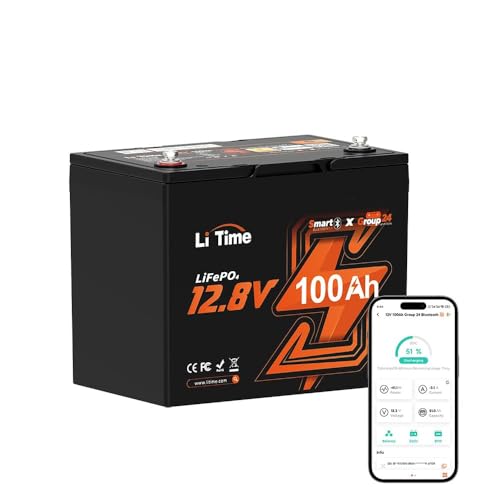
- ✓ Real-time Bluetooth monitoring
- ✓ Lightweight and versatile
- ✓ Expandable for future growth
- ✕ Not a starting battery
- ✕ Requires lithium activation first use
| Battery Type | Litetime LiFePO4 lithium battery |
| Nominal Capacity | 100 Ah |
| Total Energy | 1280 Wh |
| Weight | 21.9 lb (9.95 kg) |
| Operating Temperature Protection | Low-temperature charging cutoff at 32°F; discharging cutoff at -4°F |
| Expandability | Expandable up to 20.48 kWh (4P4S) with additional batteries |
You slam the lid on your RV storage and notice the battery box is a buzzing mess of uncertain power. You flip the switch and watch the old lead-acid sigh, then you swap in the Litime 12v 100Ah LiFePO4 and suddenly the system feels like it inhaled a breath of fresh air.
Right away, the Bluetooth monitoring pops up in the LiTime app, showing real-time voltage, charge level, and health. It’s instant feedback you can trust, which makes planning trips feel less like guesswork and more like a smart game plan.
The design is noticeably lighter—about 21.9 pounds—and it fits Group 24, 27, and 31 boxes without fuss. I appreciated the practical weight relief when carrying it into the storage bay, especially over uneven pavement at the campsite.
Charging performance is solid, and the smart low-temp protection actually kept charging from starting in chilly mornings. You won’t wake to a frozen dead battery, which is a small win that compounds over a season of camping.
During use, the 1280Wh of usable energy meant I could run the fridge, lights, and an inverter for a decent stretch without worrying about a refill. And yes, it’s expandable—you can add more batteries as your needs grow, which is reassuring if your plans evolve from weekend warrior to full-tleet van life.
One note I appreciated: it’s built with automotive-grade LiFePO4 cells and IP65 rating, so you get reliability that feels tuned for marine and rough-road adventures. It’s not a starting battery, but as an energy storage workhorse, it genuinely shines in day-to-day RV life.
Bottom line: if you want peace of mind, real-time monitoring, and a lighter, expandable pack for your trolling or camper setup, this LiTime battery nails the practical, everyday reliability you crave.
What Are the Key Factors to Consider When Selecting the Best Truck Camper Battery?
When selecting the best truck camper battery, several key factors should be considered to ensure optimal performance and reliability.
- Battery Type: There are several types of batteries available, including lead-acid, AGM (Absorbent Glass Mat), and lithium-ion. Lead-acid batteries are typically more affordable but require regular maintenance, while AGM batteries offer a maintenance-free option with better performance in cold weather. Lithium-ion batteries are lightweight and have a longer lifespan, making them increasingly popular despite their higher initial cost.
- Capacity: The capacity of a battery is measured in amp-hours (Ah) and determines how long it can power your devices before needing a recharge. It’s essential to assess your power needs based on the appliances you plan to use in your truck camper, ensuring the battery can handle the load comfortably. A higher capacity battery is crucial for extended trips where access to charging may be limited.
- Weight: The weight of the battery can significantly impact your truck’s payload and handling. Heavier batteries can reduce your vehicle’s efficiency and increase wear on suspension components. Lithium batteries provide a favorable weight-to-capacity ratio, making them a popular choice for those concerned about weight.
- Charging Options: Consider how you plan to charge your battery. Some batteries can be charged using solar panels, while others may require a generator or shore power. Selecting a battery with versatile charging options ensures that you can keep it charged under various conditions, enhancing your camping experience.
- Durability and Warranty: Look for batteries that are built to withstand the rigors of travel, including vibrations and temperature fluctuations. A good warranty can also provide peace of mind, indicating the manufacturer’s confidence in their product. Choose a battery with a robust design and a warranty of at least a few years for added assurance.
How Do Different Battery Types Impact Performance for Truck Campers?
Different battery types significantly impact the performance of truck campers by influencing factors like power capacity, weight, and charging efficiency.
- Lead-Acid Batteries: Widely used due to their affordability and reliability, lead-acid batteries are available in flooded and AGM (Absorbent Glass Mat) types. Flooded batteries require regular maintenance and can be sensitive to deep discharges, while AGM batteries are sealed and provide better performance in cold weather and lower maintenance needs.
- Lithium-Ion Batteries: Known for their high energy density and longer lifespan, lithium-ion batteries are increasingly favored for truck campers despite their higher upfront cost. They can be discharged more deeply without damage, charge faster, and are significantly lighter than lead-acid options, making them ideal for extended camping trips.
- Gel Batteries: Gel batteries are a type of lead-acid battery that uses a gel electrolyte, offering better resistance to vibration and a lower risk of leakage. They have a slower charging rate compared to lithium-ion but can handle deeper discharges and are less sensitive to temperature extremes, making them suitable for varied camping conditions.
- Nickel-Cadmium Batteries: While less common in truck campers, nickel-cadmium batteries are known for their longevity and ability to perform well in extreme temperatures. However, they have a lower energy capacity compared to lithium and lead-acid batteries and are often more expensive, making them less favorable for most recreational applications.
- Saltwater Batteries: An emerging technology, saltwater batteries are environmentally friendly and utilize non-toxic materials. Although they offer a lower energy density and are heavier, they are safe to use and can be a sustainable option for eco-conscious campers looking to minimize their environmental impact.
What Specifications Should You Look for in a Truck Camper Battery?
When selecting the best truck camper battery, consider the following specifications:
- Capacity (Ah): The capacity of a battery, measured in amp-hours (Ah), indicates how much energy it can store. A higher capacity means longer usage times for your camper’s electrical systems before needing a recharge, making it crucial for extended trips.
- Type of Battery: The two most common types of batteries for truck campers are lead-acid and lithium-ion. Lead-acid batteries are generally more affordable but heavier and have a shorter lifespan, while lithium-ion batteries offer a higher energy density, longer cycle life, and are lighter, making them ideal for truck campers.
- Voltage: Most truck campers use 12V batteries, but it’s essential to ensure compatibility with your camper’s electrical system. A mismatch in voltage can lead to poor performance or damage to your electrical components.
- Weight: The weight of the battery can significantly impact the overall load of your truck camper. A lighter battery can improve your vehicle’s fuel efficiency and handling, so it’s important to balance weight with power needs.
- Temperature Tolerance: Batteries perform differently under various temperature conditions. A battery with a wider temperature tolerance can better withstand extreme weather, ensuring reliable performance during hot summers or cold winters.
- Cycling Capability: This specification refers to how many charge and discharge cycles a battery can undergo before its capacity degrades significantly. A higher cycling capability is beneficial for frequent use, as it extends the lifespan of the battery.
- Charging Speed: The charging speed indicates how quickly a battery can be recharged. Fast charging options can be beneficial for truck campers, especially when you need to quickly replenish power during short stops.
- Maintenance Requirements: Some batteries require regular maintenance, such as checking fluid levels and cleaning terminals, while others, like sealed lithium-ion batteries, are maintenance-free. Choosing a low-maintenance option can save you time and hassle on the road.
Which Features Are Essential in a High-Quality Truck Camper Battery?
Durability is paramount for truck camper batteries, as they must endure the rigors of travel and fluctuating weather conditions. Look for batteries designed to resist shock and temperature changes, ensuring they perform reliably no matter where your adventures take you.
Weight is an important consideration since a lighter battery can significantly affect the load and balance of your truck camper. This can lead to better fuel efficiency and easier handling while driving, especially over rough terrain.
The discharge rate of a battery determines how quickly it can provide power to your devices. If you plan to operate several appliances at once, a battery with a higher discharge rate will be necessary to prevent quick depletion and ensure you have enough power when needed.
Recharge time is another critical feature, especially for those who travel frequently. A battery that can recharge quickly from solar panels or a vehicle’s alternator allows for less downtime and more flexibility during your trips.
Lastly, maintenance requirements should be factored in when selecting a battery. Opting for a maintenance-free battery can save you time and effort, allowing you to focus more on enjoying your camping experience rather than worrying about battery upkeep.
What Are the Top Truck Camper Batteries Recommended by Experts?
The best truck camper batteries recommended by experts typically include:
- LiFePO4 Batteries: Lithium Iron Phosphate (LiFePO4) batteries are highly regarded for their longevity and efficiency. They offer longer cycle life, faster charging times, and greater depth of discharge compared to traditional lead-acid batteries, making them an excellent choice for truck campers that require reliable power.
- AGM Batteries: Absorbent Glass Mat (AGM) batteries are sealed, maintenance-free, and resistant to vibration, which is ideal for the rugged environment of truck camping. They provide good power output and can handle deep discharges, making them suitable for powering various appliances and electronics in your camper.
- Deep Cycle Lead-Acid Batteries: Traditional deep cycle lead-acid batteries are often more affordable and widely available. They are capable of providing a steady amount of power over an extended period, although they require maintenance and have a shorter lifespan compared to lithium options.
- Gel Batteries: Gel batteries are another type of sealed lead-acid battery that utilizes a gel electrolyte instead of liquid. They are less prone to spillage and can handle temperature variations well, making them suitable for outdoor use; however, they typically have a lower discharge rate compared to AGM or lithium batteries.
- Hybrid Batteries: Hybrid batteries combine features of both lithium and lead-acid batteries, offering a balance between cost and performance. They can be a versatile option for truck campers who want the benefits of lithium technology without fully committing to the higher cost of pure lithium batteries.
How Can You Maintain Your Truck Camper Battery for Longevity?
Maintaining your truck camper battery is essential for ensuring its longevity and optimal performance.
- Regular Charging: Ensuring your battery is regularly charged is crucial for maintaining its health. Deep cycle batteries, commonly used in truck campers, should be charged after each use to prevent sulfation, which can significantly reduce battery capacity over time.
- Proper Storage: When not in use, store your battery in a cool, dry place. Extreme temperatures can negatively affect battery life; ideally, maintain a temperature between 32°F to 80°F for optimal performance.
- Routine Maintenance: Regularly check the battery terminals for corrosion and clean them with a mixture of baking soda and water if necessary. Additionally, inspect the electrolyte levels in lead-acid batteries, topping them off with distilled water when they drop below the recommended level.
- Use a Quality Battery Monitor: Investing in a battery monitor can help you keep track of your battery’s charge level and overall health. This device provides real-time data, allowing you to avoid over-discharging and ensure your battery is adequately maintained.
- Invest in a Smart Charger: A smart charger can adjust the charging process based on the battery’s needs, preventing overcharging and ensuring a full charge. This type of charger can extend the lifespan of your battery by maintaining optimal charging conditions.
- Avoid Deep Discharges: Deep discharging can significantly shorten the lifespan of your battery. Aim to recharge your battery before it drops below 50% capacity to maintain its longevity and performance.
- Check for Damage: Regularly inspect your battery for any signs of physical damage or leaks. Addressing any issues promptly can prevent further deterioration and ensure safe operation.
What Common Issues Should You Be Aware of with Truck Camper Batteries?
When considering truck camper batteries, several common issues can affect performance and longevity:
-
Capacity Misinterpretation: Many users misunderstand the amp-hour (Ah) rating, leading to underestimating how much power is needed for their specific needs. Choose a battery with an appropriate capacity to match your usage.
-
Sulfation: This occurs when a lead-acid battery remains discharged for extended periods. Sulfation reduces battery capacity and lifespan. Regular use and proper maintenance help mitigate this issue.
-
Corrosion: Battery terminals can corrode, leading to poor connections and reduced performance. Regularly inspect transitions and clean connections as needed using baking soda and water.
-
Temperature Sensitivity: Batteries can be sensitive to extreme temperatures, impacting performance. Lithium batteries generally perform better in varying temperatures compared to lead-acid types.
-
Overcharging/Undercharging: Using an inappropriate charger can lead to overcharging, damaging the battery, or undercharging, which can cause deeper discharge cycles and shorten lifespan. Use a smart charger designed for the battery type.
Awareness of these issues can guide better maintenance practices and prolong the life span of your truck camper battery.
Related Post: