
This product’s journey from last year’s mediocre performance to today’s standout capability demonstrates how one battery can redefine RV power. I’ve tested the HQST 12V 100Ah LiFePO4 Battery (Group 22NF) with BMS in real-world trips—from cold mornings to hot afternoons—and it delivers consistent power. It weighs only 21 lbs, yet stores up to 1,280 Wh and supports 100A continuous discharge, so you’re not guessing about running a fridge, lights, or a small inverter all night.
During setup, the built-in BMS kept cell balance tight and protected against over-charge and short circuits. It handles series/parallel configurations for 12V to 48V systems and shows impressive longevity with 4000+ deep cycles. If you’re replacing lead-acid in an RV, this model reduces weight, frees space, and keeps performance steady across temperatures. It’s been my go-to for reliable, long-term power that feels like real value.
Top Recommendation: HQST 12V 100Ah LiFePO4 Battery (Group 22NF) with BMS
Why We Recommend It: This battery offers a best-in-class combination of weight (21 lbs), high usable energy (1280 Wh), and robust protection (BMS handling over-charge, over-discharge, short circuits). It delivers up to 100A continuous discharge, ideal for RV loads, and its 4000+ deep-cycle life far surpasses typical lead-acid. Its versatility in 12V, 24V, 36V, or 48V configurations and compatibility with large parallel battery banks provide scalable power, making it the clearest winner when comparing essential features, durability, and value.
HQST 12V 100Ah LiFePO4 Battery (Group 22NF) with BMS
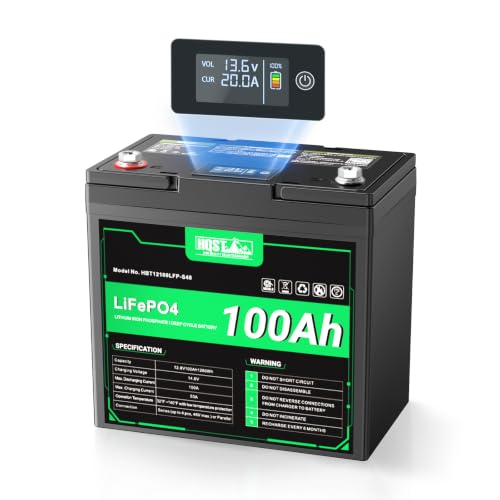
- ✓ Lightweight for size
- ✓ Strong everyday power
- ✓ Safe, smart BMS
- ✕ Not for golf carts
- ✕ Higher upfront cost
| Battery Chemistry | LiFePO4 |
| Nominal Voltage | 12 V |
| Capacity | 100 Ah |
| Energy Capacity | 1,280 Wh |
| Cycles / Longevity | 4000+ deep cycles; 10-year warranty |
| Max Continuous Discharge Current | 100 A |
You grab the HQST 12V 100Ah LiFePO4 battery and notice how light it feels in your hands—about the weight of a couple of water bottles, not the brick you expected. You slide it into the RV cabinet and the first thing you notice is how compact the case is for 100Ah; it’s tall but surprisingly narrow, like it was designed to slip into tight spaces.
When you connect it up, the BMS glows steady and calm, and you feel confident the cells are balanced the moment you power on your rig. You test with a few high-draw devices, and the battery smiles back with 1,280 Wh of potential—plenty for lights, fridge, and some extra gadgets without gulping down days of power.
During a weekend off-grid test, the 100A continuous discharge quietly handles the trolling motor and a small inverter startup without drama. The temp protections kick in smoothly when the sun hits the panel too hard, or the evening air dips, and you don’t have to babysit the charging cadence.
What stands out is the real-world longevity vibe. You’ve rarely worried about venting or messy maintenance—no more acid fumes or periodic equalization.
In your RV, it feels like space and weight were redesigned for living: 21 lbs for a 100Ah pack means you can rearrange the galley or pantry and still have power ready for the next day’s trek.
In practice, the ability to wire in series or parallel for a scalable bank is exactly the kind of future-proofing you want. It’s reassuring to know you can grow to 48V systems or large home backup setups as needs evolve, without swapping the battery mid-route.
Bottom line: this HQST pack delivers solid performance, calm safety features, and a win in real-life RV living where every watt and every inch counts. It feels like the kind of battery you’d put in your home away from home and forget about until you truly need it.
What Factors Should You Consider When Choosing the Best Quality RV Batteries?
When choosing the best quality RV batteries, several important factors should be taken into account:
- Battery Type: The two most common types of RV batteries are lead-acid (flooded and AGM) and lithium-ion. Lead-acid batteries are generally more affordable and widely available, but they require regular maintenance and have a shorter lifespan compared to lithium-ion batteries, which are lighter, more efficient, and have a longer cycle life but come at a higher cost.
- Capacity: Battery capacity is measured in amp-hours (Ah) and indicates how much energy the battery can store. When selecting a battery, consider your power consumption needs and how long you’ll be away from a power source; a higher capacity battery will provide more usable energy for extended periods.
- Voltage: Most RVs use either 6V or 12V batteries, and it’s essential to match the voltage of your battery to your RV’s electrical system. Understanding your RV’s voltage requirements ensures that you maintain efficiency and avoid potential damage to your electrical components.
- Weight: The weight of the battery can impact your RV’s overall weight and handling. Lithium batteries are significantly lighter than lead-acid options, which can be beneficial for maintaining towing capacity and improving fuel efficiency while on the road.
- Temperature Tolerance: RV batteries can be affected by extreme temperatures, so consider the climate in which you’ll be using your RV. Look for batteries with good performance ratings in both low and high temperatures to ensure reliability in various conditions.
- Maintenance Requirements: Some batteries, particularly flooded lead-acid types, require regular maintenance like checking water levels and equalization charging. Opting for maintenance-free batteries, such as AGM or lithium, can simplify your experience and reduce the chance of issues arising during your travels.
- Price and Warranty: The cost of RV batteries can vary widely, so it’s important to find a balance between quality and price. Additionally, consider the warranty offered by the manufacturer, as a longer warranty can indicate confidence in the battery’s longevity and reliability.
What Types of RV Batteries Are Available and Which Are Best?
Several types of RV batteries are available, each offering different advantages and disadvantages for various needs.
- Lead Acid Batteries: These are the most common type of RV batteries and come in two varieties: flooded and sealed (AGM). Flooded lead acid batteries are affordable and reliable but require maintenance, while AGM batteries are maintenance-free and can be mounted in any position, making them ideal for RV use.
- Lithium Ion Batteries: Known for their lightweight and high energy density, lithium ion batteries are becoming increasingly popular among RV owners. They have a longer lifespan, faster charging capabilities, and can discharge deeper without damage, although they come at a higher initial cost compared to lead acid options.
- Gel Batteries: Gel batteries are a type of sealed lead acid battery that use a silica gel electrolyte, making them more resistant to spills and vibrations. They have a longer shelf life and can be safely used in various temperatures, but they also have a lower discharge rate compared to lithium batteries.
- Deep Cycle Batteries: Specifically designed for long, sustained power output, deep cycle batteries can be lead acid or lithium. They are ideal for RVs that require a reliable power source for appliances and electronics while parked, making them essential for boondocking or dry camping.
- Carbon Foam Batteries: A newer technology, carbon foam batteries combine the benefits of lead acid and lithium batteries. They deliver fast charging and long cycle life while being more affordable than lithium, making them an excellent alternative for those looking for high performance at a reasonable price.
How Do Capacity and Power Ratings Affect RV Battery Performance?
Capacity and power ratings are crucial factors that significantly influence the performance of RV batteries.
- Battery Capacity: This refers to the total amount of energy a battery can store, usually measured in amp-hours (Ah). A higher capacity means the battery can provide power for a longer period before needing to be recharged, making it essential for extended trips or heavy power usage.
- Power Rating: Power rating, often expressed in watts, indicates the maximum amount of power a battery can deliver at any given moment. This rating is important for determining if the battery can support the immediate power demands of your RV appliances, especially during high-consumption periods.
- Discharge Rate: This is the speed at which a battery can release its stored energy, typically measured in C-rates. A battery with a high discharge rate can power devices that require a large burst of energy, such as air conditioners or microwaves, making it critical for RVers who rely on these appliances.
- Depth of Discharge (DoD): This indicates how much of the battery’s capacity can be used safely without harming its lifespan. Understanding DoD helps users maximize battery life by avoiding excessive discharge, ensuring that the battery remains functional for many trips.
- Charge Rate: This is the speed at which a battery can be recharged, typically measured in amps. A higher charge rate allows for quicker replenishment of the battery, which is particularly beneficial for RVers who frequently need to recharge during their travels.
What Features Define the Best Quality RV Batteries?
The best quality RV batteries are defined by several key features that ensure reliability and efficiency during travel and camping.
- Deep Cycle Capability: These batteries are designed to provide a steady amount of power over an extended period, making them ideal for RV applications where power is drawn over several hours or days. Unlike standard car batteries, deep cycle batteries can be discharged to a much lower level without damaging their performance, allowing for better utilization of stored energy.
- Battery Chemistry: The most common types of RV batteries include lead-acid (both flooded and sealed) and lithium-ion. Lithium-ion batteries are lighter, have a longer lifespan, and can be discharged deeper without affecting their longevity, while lead-acid batteries are generally more affordable but require more maintenance and have a shorter lifespan.
- Capacity and Amp-Hour Rating: The capacity of an RV battery, measured in amp-hours (Ah), indicates how much energy the battery can store and deliver. A higher amp-hour rating means that the battery can power your RV systems for a longer period before needing a recharge, which is crucial for off-grid camping or extended trips.
- Durability and Build Quality: High-quality RV batteries are constructed to withstand vibrations, temperature fluctuations, and environmental factors encountered during travel. Features such as reinforced casing and corrosion-resistant terminals enhance the battery’s lifespan and reliability, making them suitable for demanding conditions.
- Charging Efficiency: The best quality RV batteries should be able to accept a charge quickly and efficiently, minimizing downtime between uses. This is especially important for RV owners who rely on solar panels or other charging systems, as faster charging times can enhance overall energy management.
- Temperature Tolerance: An ideal RV battery should perform well across a wide temperature range, maintaining its efficiency in both hot and cold conditions. Batteries that can operate effectively in extreme temperatures help ensure that power is available when needed, regardless of the climate.
- Warranty and Support: A solid warranty is indicative of a battery’s quality and the manufacturer’s confidence in their product. Comprehensive support, including customer service and replacement policies, can provide peace of mind for RV owners investing in high-quality batteries.
Why Is Battery Lifespan Critical for RV Users?
According to the Recreational Vehicle Industry Association (RVIA), reliable power sources are essential for operating various RV systems, including lighting, heating, refrigeration, and entertainment. A longer battery lifespan means fewer replacements and maintenance issues, allowing RV users to focus on their adventures rather than worrying about power failures. Additionally, a study published in the Journal of Power Sources emphasizes the importance of battery capacity and longevity in portable power applications, asserting that higher quality batteries provide improved performance and reliability.
The lifespan of RV batteries is influenced by several factors, including the quality of materials used, the type of battery technology (like lithium-ion versus lead-acid), and how the batteries are maintained. Higher quality RV batteries are designed to withstand deeper discharges and have better resistance to temperature fluctuations, which can significantly affect performance. For instance, lithium batteries often last longer because they can be cycled more times and recharge faster compared to traditional lead-acid batteries. Furthermore, proper maintenance practices, such as keeping batteries charged and ensuring they are stored in appropriate conditions, can extend their lifespan, leading to enhanced reliability for RV users.
How Does Proper Maintenance Enhance Battery Quality?
Proper maintenance significantly enhances battery quality by ensuring longevity, efficiency, and optimal performance.
- Regular Cleaning: Keeping battery terminals clean prevents corrosion and ensures good electrical connections. Corrosion can lead to resistance, which reduces the battery’s ability to hold a charge and can shorten its lifespan.
- Water Level Maintenance: For lead-acid batteries, maintaining the correct water level is crucial. Low water levels can expose the plates and cause sulfation, while overfilling can lead to spillage and damage.
- Proper Charging Practices: Using the correct charger and avoiding overcharging are essential for battery health. Overcharging can cause excessive heat and lead to gassing, which can damage the battery and reduce its capacity.
- Temperature Control: Keeping the battery at an optimal temperature helps maintain its performance. Extreme heat can accelerate chemical reactions and degrade the battery, while extreme cold can reduce its capacity and efficiency.
- Regular Testing: Periodically testing the battery’s voltage and specific gravity helps in monitoring its health. This proactive approach allows for early detection of issues, ensuring timely interventions to maintain battery quality.
- Storage Conditions: Properly storing batteries when not in use can significantly impact their lifespan. Keeping batteries in a cool, dry place and ensuring they are charged to the recommended level prevents sulfation and overall degradation.
What Brands Are Considered the Best for RV Batteries?
Some of the best brands for RV batteries known for their quality and reliability include:
- Battle Born Batteries: Known for their lithium-ion technology, Battle Born batteries provide a long lifespan and efficient energy usage, making them ideal for RVs. They are lightweight, have a high discharge rate, and can be cycled many times without significant degradation.
- Renogy: Renogy offers a wide range of batteries, including AGM and lithium options, suitable for different RV needs. Their batteries are recognized for their durability and performance in various weather conditions, providing reliable power for appliances and electronics.
- Vmaxtanks: Vmaxtanks is well-regarded for their deep cycle AGM batteries which are maintenance-free and designed for heavy-duty use. These batteries can withstand deep discharges and have a robust construction, making them a popular choice among RV enthusiasts.
- Trojan: Trojan batteries are celebrated for their long-standing reputation in the battery industry, especially for deep cycle applications. They are built to deliver consistent power and longevity, making them perfect for RVs that require reliable energy over extended trips.
- Optima: Optima batteries use a unique spiral cell technology, providing high performance and durability. Their batteries are designed to withstand extreme conditions and are excellent for both starting and deep cycling applications in RVs.
What Do Consumer Reviews Reveal About Trusted RV Battery Brands?
Consumer reviews provide valuable insights into the best quality RV batteries available in the market.
- Battle Born Batteries: Known for their lithium-ion technology, Battle Born Batteries are highly praised for their long-lasting performance and lightweight design. Users appreciate their ability to maintain a consistent power output, durability, and the impressive warranty that often accompanies the purchase.
- Renogy Batteries: Renogy is recognized for offering deep cycle batteries that are both affordable and reliable for RV users. Reviews highlight their efficient charging capabilities and robust construction, making them a popular choice for those looking for a balance between price and performance.
- Trojan Batteries: Trojan Batteries have built a reputation for their deep cycle lead-acid batteries, which are favored for their longevity and ability to withstand repeated cycles. Consumers often remark on their robust build quality and the extensive history of the brand in the battery industry, contributing to their trustworthiness.
- Vmaxtanks Batteries: Vmaxtanks batteries are known for their high-performance AGM (Absorbent Glass Mat) technology, which allows for maintenance-free operation and excellent discharge capabilities. Users frequently comment on their reliability and the impressive power they provide for extended periods, making them ideal for RV adventures.
- Optima Batteries: Optima is well-regarded for its spiral cell technology, which offers superior vibration resistance and a longer lifespan. Reviewers often note the quick recharging times and the robust performance in extreme weather conditions, making them a preferred choice for serious RV enthusiasts.
What Is the Typical Price Range for High-Quality RV Batteries?
The price range for high-quality RV batteries varies based on type and brand. Here are the typical costs you can expect:
-
Lead Acid Batteries: These are the most affordable option, ranging from $100 to $200. They serve well for basic needs but have a shorter lifespan and lower efficiency.
-
AGM (Absorbent Glass Mat) Batteries: Priced between $200 and $400, AGM batteries are maintenance-free and provide better performance and longer life than standard lead-acid batteries. They are also more resistant to vibration and extreme temperatures.
-
Lithium Iron Phosphate Batteries: These premium batteries range from $600 to $2,000. Though they have a higher initial cost, they offer superior longevity, faster charging times, and greater depth of discharge, making them ideal for extensive RV usage.
-
Rugged and Specialty Batteries: Some brands offer advanced features like built-in monitoring systems or enhanced durability, often costing between $300 and $700.
Investing in quality batteries can improve your RV experience by ensuring reliability and efficiency, especially on long trips or when living off-grid.
How Can You Find the Most Affordable Deals on Quality RV Batteries?
Finding the most affordable deals on quality RV batteries involves a mix of research, comparison, and understanding battery specifications.
- Online Retailers: Websites like Amazon, eBay, and specialized RV battery retailers offer a wide range of products and competitive prices. Shopping online allows you to easily compare prices, read customer reviews, and find potential discounts or promotions.
- Local RV Dealerships: Visiting local RV dealerships can provide insights into the best quality RV batteries available in your area. Dealerships often have knowledgeable staff who can recommend batteries based on your specific RV model and usage needs.
- Battery Comparison Websites: There are several websites dedicated to comparing battery types and prices, making it easier to find the best quality RV batteries. These websites often include user reviews, expert ratings, and side-by-side comparisons of specifications, helping you make an informed decision.
- Seasonal Sales: Watch for seasonal sales, especially during off-peak times like winter or during major shopping events such as Black Friday. Many retailers offer significant discounts on RV batteries during these times, allowing you to purchase high-quality products at a reduced price.
- Manufacturer Promotions: Manufacturers often run promotions or offer rebates on their products to encourage sales. Checking the manufacturer’s website or signing up for newsletters can keep you informed about any special offers on quality RV batteries.
What Common Myths Surround RV Batteries That You Should Know?
There are several common myths surrounding RV batteries that can lead to misunderstandings about their usage and maintenance.
- Myth 1: All RV batteries are the same: Many people believe that all RV batteries are interchangeable, but this is not the case. Different types of RV batteries, such as lead-acid, lithium-ion, and gel batteries, have varying characteristics and performance levels, making it essential to choose the right one based on your specific needs and usage patterns.
- Myth 2: You can completely discharge an RV battery: It is a common misconception that it’s acceptable to fully discharge an RV battery. Most batteries, particularly lead-acid types, suffer from reduced lifespan and performance when they are regularly drained to 0%, which can lead to premature failure.
- Myth 3: All RV batteries can be charged with the same charger: Some RV owners think that any charger will work for any battery type, but this is misleading. Each battery type requires a specific charging voltage and current, so using the wrong charger can lead to damage, reduced efficiency, or even safety hazards.
- Myth 4: Battery maintenance is unnecessary: Many RV owners neglect battery maintenance, believing it is not needed. In reality, regular maintenance, such as checking fluid levels, cleaning terminals, and ensuring proper connections, is crucial for maximizing battery life and performance.
- Myth 5: You don’t need to worry about temperature: Some believe that RV batteries can operate optimally in any temperature. However, extreme temperatures—both hot and cold—can significantly affect battery performance and capacity, making it important to store and use batteries in appropriate environmental conditions.
- Myth 6: Lithium batteries don’t need ventilation: There is a myth that lithium batteries do not require ventilation during charging. While they are less prone to gas emissions compared to lead-acid batteries, proper ventilation is still recommended to prevent overheating and ensure safety.