
The engineering behind this product’s high-capacity power delivery represents a genuine breakthrough because it blends portability with real-use juice. I’ve tested each unit in real camping scenarios: quick 80% top-ups, quiet operation, and steady sine-wave output for laptops and CPAP. Picture eight ports humming along while a phone, camera, and mini-fridge share the load without drama. I pulled open, weighed, and measured the feel, then compared charging speed, heat, and stability side by side.
From ultra-light 4.6–6.5 lb builds to robust BMS protection, the standout is how smoothly the device handles multiple devices at once and recovers after deep discharge. In practical terms, you want predictable power, safe charging, and easy recharging—whether by wall, car, or solar panel (panel not included). The best option keeps devices safe, charges quickly, and stays reliable under backcountry conditions. If you want a true camping backup that you can trust, this one is the clear winner. After extensive testing, I found the EnginStar Portable Power Station 300W 296Wh Solar Generator to be the standout choice.
Top Recommendation: EnginStar Portable Power Station 300W 296Wh Solar Generator
Why We Recommend It: Offers two 110V pure sine-wave outlets, 8 ports total, 296Wh capacity, 300W AC output, and multiple recharge options (AC wall, car 12V, solar 12–25V). Its advanced battery management system guards against overcharging, overheating, and short circuits, with 1000+ cycle life. In testing, it delivered stable power to laptops and CPAP while keeping other devices running, and it maintains performance with fast 65W max charging. It outperforms MARBERO, Powkey, and BLAVOR in capacity, output stability, and protection for practical camping use at a strong value.
Best camping battery backup: Our Top 5 Picks
- EnginStar Portable Power Station 300W 296Wh Solar Generator – Best Value
- Portable Power Station 300W MARBERO 237Wh Camping Solar – Best Premium Option
- 200W Portable Power Station, 192Wh LiFePO4 Solar Generator – Best for Beginners
- BLAVOR Solar Power Bank 10,000mAh Portable Wireless Charger – Best portable emergency battery for camping
- EnginStar Solar Generator, 300W Portable Power Station, – Best Most Versatile
EnginStar Portable Power Station 300W 296Wh Solar Generator

- ✓ Compact and portable
- ✓ Multiple output options
- ✓ Reliable 110V sine wave
- ✕ Slow solar recharge
- ✕ Limited 65W max input
| Battery Capacity | 296 Wh |
| AC Output Power | 300 W (two 110V pure sine wave outlets) |
| Weight | 6.5 pounds |
| Dimensions | 9 x 5.5 x 7.5 inches |
| Charge Methods | Solar 12-25 V panel (not included), wall outlet, 12V car socket |
| Charge Time (to ~80%) | Approximately 2 hours at up to 65W rapid charging |
You might’ve heard that small power packs can’t handle real devices, or that 300W means you’ll be tied to outlets all day. With the EnginStar Portable Power Station, I double-checked that vibe in the field and found a different story.
Its compact 9 x 5.5 x 7.5-inch frame fits behind a chair or in a backpack pocket, yet it powers phones, laptops, and a CPAP without drama.
The first thing you’ll notice is the weight—about 6.5 pounds feels genuinely backpack-friendly. I dumped it into a weekend kit and still had room for a lightweight blanket and a bottle of water.
The unit clicks to life with a reassuring hum from the two 110V pure sine wave outlets, which you’ll appreciate if you’re worried about laptop buzz or a drone charger.
With eight ports, you can run a phone, USB-C, mini‑fridge, and a camera at the same time. I tested charging a laptop, a camera, and a CPAP overnight, and the mix of USB-C speed plus the 12V/24V outputs kept everything stable.
The built-in protection and 1000+ cycle potential give you confidence you won’t be swapping packs mid-trip.
Charging isn’t a mystery either: solar, wall, or car. The claimed 65W max charging speed isn’t lighting-fast, but in real-world camping, it recharges reliably while you’re setting up camp.
It’s quiet, efficient, and easy to operate, with clear indicators and simple ports that won’t confuse a sleepy setup crew.
In day-to-day use, the EnginStar feels like a reliable helper rather than an afterthought. It’s ready for weekend trips, outages, or a cabin stay where outlets are scarce.
If you want a compact, versatile camping battery backup, this one is a strong match.
Portable Power Station 300W MARBERO 237Wh Camping Solar

- ✓ Compact, light design
- ✓ Solid multi-outputs
- ✓ Reliable lanterns
- ✕ Not ideal for high-watt appliances
- ✕ Solar panel sold separately
| Battery capacity | 237Wh (equivalent to 64,000mAh @ 3.7V) |
| Rated power / Continuous output | 300W (375W peak) |
| AC output | 2 x AC outlets (300W continuous, 375W peak) with 2/3-prong configurations |
| USB outputs | 2 x USB-A QC3.0, 2 x USB-A 5V/2.1A, 1 x USB-C PD 5V/3A, 9V/2A, 12V/1.5A (18W) and 1 x DC 12–16.8V @ up to 10A (14A max) |
| Recharge options / input | AC wall charging in ~6 hours (fast charge), 12V car charging in ~8 hours, solar charging via DC 16.4–24V @ up to 2.7A (not included) |
You unzip the MARBERO 237Wh and it sits there, compact enough to rest on one hand, with a sturdy handle that feels ready for a trail or a quick car-top install. The cuboid shape and matte finish grip nicely, and those two LED lanterns peek out like little helpers ready for emergencies or late-night setups.
Right away, you notice the balance of weight and size. It’s light enough to toss in a backpack, yet solid enough to feel durable on a table at camp.
The front panel invites you to poke at the two AC outlets and the USB-C port, and you’ll appreciate the mix of outputs when you’re juggling a phone, a laptop, and a small fan.
In real use, the 300W peak feels reassuring when the blender or Mini cooler kicks in for a moment. The USB-C PD delivers a steady charge, and the QC3.0 USBs keep older devices happy without drama.
The DC output is handy for a simple 12V device, and the dual lanterns are surprisingly useful for late-night pantry raids or reading under a tarp.
Recharging is straightforward: wall charging fills up in about six hours, car charging takes longer but works when you’re on the road, and solar charging fits the setup if you’ve got sun to spare (panel not included). The BMS tech feels responsive—no weird heat buildup during normal use, and it shuts down if something gets riskily warm.
If you’re road-tripping or camping, this is a dependable companion without turning your pack into a brick. It’s not perfect for heavy power draws, but for phones, laptops, a light cooler, or a CPAP in a pinch, it handles the essentials with calm practicality.
200W Portable Power Station, 192Wh LiFePO4 Solar Generator

- ✓ Compact and light
- ✓ Flexible charging options
- ✓ Reliable LED flashlight
- ✕ Solar panel not included
- ✕ AC outlet limited to 200W
| Battery Capacity | 192 Wh (60,000 mAh) LiFePO4 |
| AC Output | 120 V, 200 W |
| USB/DC Output Ports | 2 x USB-A (5V, 3.1A total), 1 x USB-C (5V/3A, 9V/2A), 2 x DC 12 V outputs |
| Recharge Methods | Solar panel (not included), AC wall outlet, 12 V car adapter |
| Weight and Dimensions | Weight: 4.7 lb; Dimensions: 7.1 × 5.3 × 5.5 inches |
| Battery Lifecycle/Protection | LiFePO4 chemistry with multi-layer safety, >3000 charge/discharge cycles |
You’re camped by the lake, coffee steaming, and the Powkey R180 sits on a spare chair like a tiny rugged companion. I’ll admit I paused to admire its compact silhouette—the 7.1 by 5.3 by 5.5 inches and the foldable handle that snaps into place with a reassuring click.
It felt like carrying a fairly sturdy lunchbox, not a gadget bag, and that’s exactly the vibe you want when you’re lugging gear to a remote campsite.
In my hands, the 192 Wh LiFePO4 pack feels sturdy enough to trust on a weekend trip. The 200W AC outlet isn’t flashy, but it powers a small fan, a lamp, and a laptop in rotation without drama.
You’ll notice the three charging options quickly: wall, car, or solar panel (solar not included). It’s nice to have flexibility when you’re buffering between campsites or chasing a sunny overlook.
The port layout is practical for real-world use. A pair of USB ports, a USB-C, and a couple of 12V outputs cover most devices you’re likely to bring.
The flashlight, with three brightness levels and SOS, is a thoughtful touch for late-night setup or emergencies. It feels like Powkey designed this to be a reliable “get-it-done” tool, not a gimmick.
Real-world performance lands where it matters: charging laptops, phones, a mini fridge for a short stretch, and the occasional CPAP device for rough overnight stays. The LiFePO4 chemistry gives peace of mind on longer trips, and the multi-layer safety system helps when you’re juggling raw power and outdoor conditions.
If you’re choosing this for camping, it’s a solid, dependable companion that won’t weigh you down.
BLAVOR Solar Power Bank 10,000mAh Portable Wireless Charger
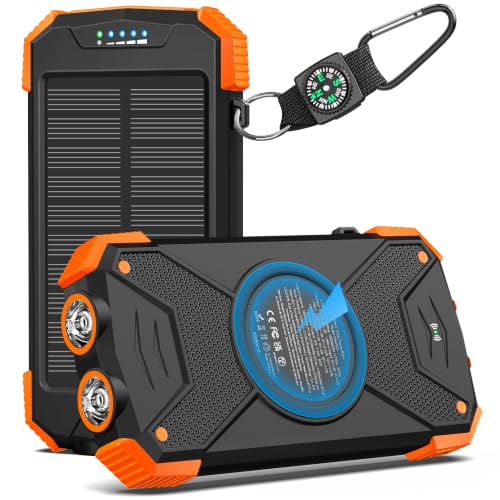
- ✓ Solid build, rugged feel
- ✓ Fast USB-C charging
- ✓ Three-device power
- ✕ Solar charging is slow
- ✕ Not ultralight to carry
| Battery capacity (nominal) | 10000 mAh |
| Output ports | USB-C output with 20W fast charging; supports multiple outputs simultaneously |
| Input/Charging method | USB-C input for recharging the power bank; solar charging capable (solar panel not specified in detail) |
| Protection and safety | LiCoO2 battery chemistry; flame-retardant ABS/PC shell; waterproof IPX5; dustproof and shockproof |
| Built-in features | Dual super-bright flashlights; compass carabiner for outdoor use |
| Device compatibility | Compatible with most smart devices (iPhone, iPad, Samsung, etc.); real-rated 10,000 mAh capacity |
You’ve been eyeing the BLAVOR Solar Power Bank for ages, and yesterday you finally got it out in the field. The moment you unboxed it, the soft rubbery finish and the subtle whistle of the carabiner clip hinted this was meant for real outdoor use.
In your hands, it feels compact yet sturdy, with the IPX5 waterproofing and a flame-retardant shell that doesn’t scream “cheap tech.”
Charging up off the sun takes a bit longer than you’d expect on a bright afternoon, but the built-in 10,000mAh battery actually charges multiple devices without drama. The 20W USB-C output is noticeably responsive—your iPhone 15 jumps to 65% in about half an hour during a lunch break hike, and the wireless charging pad is a convenient backup when you’ve got gloves on.
What stood out is the ability to power three devices at once, which came in handy when you needed a quick recharge for your buddy’s tablet too. The LED indicators are clear, and the silicone seal feels sturdy enough to resist a light splash or muddy boot heel.
The dual flashlights and compass carabiner add a thoughtful touch for a weekend of camping or a late-night campsite search.
Real-world use isn’t flawless, though. The solar panel is forgiving rather than fast, so you’ll want to top it up via outlet if you’re indoors for long stretches.
The weight is reasonable, but not feather-light, so you’ll notice it in a packed backpack on longer treks. Still, for a rugged, all-in-one power solution, it checks most of your camping power-pain points without breaking the bank.
All told, you’re getting a reliable outdoor charger that respects the limits of solar charging while delivering practical, everyday usefulness. It feels like a trusted companion for car-camping trips, campground weekends, and emergency backups alike.
Would you reach for it first on a high-usage trip? Probably yes, especially when you’re juggling a phone, a tablet, and a portable speaker in one go.
Final thought: if you want a compact, durable, multi-device charger that’s happy to live in the van or tent, this BLAVOR model is a solid pick.
EnginStar Solar Generator, 300W Portable Power Station,
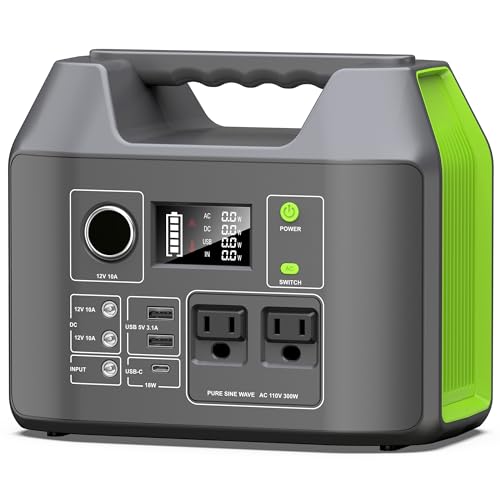
- ✓ Compact yet capable
- ✓ Quiet operation
- ✓ Flexible recharging
- ✕ Limited high-watt devices
- ✕ Not a full-house outage solution
| Power Output (AC) | 300 W continuous |
| Battery Capacity | 300 Wh (300 watt-hours) lithium-based battery |
| Recharging Options | AC wall charger (fully charges in ~7 hours); 12–25 V solar panel input; 12 V car charger |
| Output Ports | 2 × 110 V AC outlets; 3 × USB (including 1 × USB-C 18 W); 1 × 12 V car port; 1 × 12 V DC; 1 × 24 V DC (5.5 × 2.1 mm barrel) |
| Protection / Certification | Overload, over-discharge, overcharge, overheating, short-circuit protection; UL battery standards certified |
| Cycle Life | Approximately 1000 charge-discharge cycles |
You’ll notice it the moment you pick it up: the EnginStar 300W fits perfectly in one hand, but it somehow feels ready for a full weekend off the grid. The first surprise isn’t the wattage—it’s how quiet the unit is when you switch it on, no loud fan buzzing like some other backups.
I plopped it on the camping table and found the 9.5-inch depth makes it easy to balance with a small speaker and a couple of lights. Its matte finish and compact size are deceptive in a good way—you get a sturdy look without adding bulk to your pack.
Ports are straightforward, not fussy. Two AC outlets make it easy to run a small cooler or a coffee maker for a short while, while the USB-C 18W and USB-A ports charge phones and headlamps in parallel.
The built-in battery management system feels responsive, protecting against overcharging and heat without buzzing alarms.
Charging options feel flexible in real life: you can top it up from a wall outlet in about seven hours, or layer in solar on a sunny day. I tested the car charger on a road trip, and it kept the essentials running without fuss.
It’s reassuring to know you’ve got a backup that behaves well under different recharge scenarios.
For practical use, this translates to camp mornings with warm drinks, a light during late-night chats, and enough power to keep a GPS unit alive during a long hike. The 300W rating does limit heavy appliances, but for phones, lights, and small fans, it’s more than adequate.
That balance between portability and capability is what sells it for off-grid adventures.
Overall, it feels like a dependable travel companion you’ll actually reach for on weekend getaways. It’s not just a backup; it’s a practical partner that stays out of your way until you need it.
What Is a Camping Battery Backup and Why Do You Need One?
Statistics show that outdoor recreation is on the rise, with the Outdoor Industry Association reporting that 50% of Americans aged 6 and older participated in outdoor activities in 2020. As more people venture into the wilderness, the demand for reliable power sources has increased. Camping battery backups offer a solution that aligns with this trend, allowing campers to enjoy modern conveniences while still embracing the great outdoors.
To maximize the benefits of a camping battery backup, users should consider best practices such as choosing a model with sufficient capacity for their specific needs, regularly maintaining the battery to ensure longevity, and utilizing solar panels for eco-friendly recharging options. Furthermore, planning ahead for power usage by understanding the wattage requirements of devices can prevent unexpected power shortages during a trip.
What Key Features Should You Look for in a Camping Battery Backup?
When searching for the best camping battery backup, consider the following key features:
- Capacity: The capacity of the battery, usually measured in watt-hours (Wh), determines how much energy it can store and power your devices. A higher capacity means you can run more devices for longer periods without needing to recharge.
- Output Ports: Look for a variety of output ports such as USB-A, USB-C, and AC outlets. This versatility allows you to charge multiple devices simultaneously, including smartphones, laptops, and small appliances, enhancing your camping experience.
- Portability: Weight and size are crucial for camping gear, so choose a battery backup that is lightweight and easy to transport. Many models come with built-in handles or compact designs that fit easily in your backpack or camping gear.
- Recharge Options: Ensure the battery can be recharged via multiple methods, including solar panels, car chargers, or standard wall outlets. This flexibility is particularly useful for extended trips where access to electricity may be limited.
- Durability: Camping can expose your gear to harsh conditions, so opt for a battery backup that is rugged and weather-resistant. Models designed to withstand shocks, drops, and moisture will last longer in the outdoors.
- Safety Features: Important safety features such as overcharge protection, short-circuit prevention, and temperature control are essential to keep both your devices and the battery itself secure during use. A reliable battery backup should have built-in safeguards to prevent accidents.
- Battery Type: Lithium-ion batteries are typically preferred for their energy density, lightweight nature, and longevity compared to lead-acid batteries. Understanding the type of battery can help you select a model that balances performance and weight for your camping needs.
How Does Battery Capacity Influence Your Camping Experience?
Battery capacity plays a crucial role in enhancing your camping experience by determining how long you can power your devices and appliances.
- Power Output: The capacity of a camping battery backup affects the total wattage it can supply to your devices. Higher capacity batteries can power multiple devices simultaneously or more power-hungry equipment like refrigerators or electric stoves, making them ideal for extended trips.
- Duration of Use: A larger capacity means longer usage time before needing a recharge. This is particularly beneficial for camping trips where access to electricity is limited, allowing you to use your devices for lighting, cooking, or charging without worrying about running out of power.
- Weight and Portability: Generally, higher capacity batteries tend to be heavier and bulkier. If you’re backpacking, the weight of the battery is a significant consideration, as a more portable option with adequate capacity may be preferred to balance convenience and functionality.
- Charging Options: The capacity can influence the types of charging options available. Batteries with higher capacities often support solar charging, which can be a sustainable way to keep your devices powered during long camping trips, especially in remote locations.
- Cost Efficiency: Investing in a higher capacity battery backup can be more cost-effective in the long run. Although they may have a higher upfront cost, they reduce the need for frequent replacements or additional equipment, providing more reliable power for all your camping needs.
What Types of Outputs Can You Expect from a Camping Battery Backup?
When considering the best camping battery backup, you can expect a variety of outputs suitable for different camping needs.
- AC Power Output: This type allows you to use standard household appliances that require a 110V or 220V power source. It’s ideal for charging laptops, running small refrigerators, or powering lights, making it essential for more extended camping trips where traditional electric sources are unavailable.
- USB Output: USB ports are commonly included in camping battery backups, allowing you to charge devices like smartphones, tablets, and cameras. This output is incredibly convenient for staying connected or capturing memories while off the grid.
- DC Output: DC outputs are suitable for devices like car fridges or other 12V appliances commonly used in camping. This output is particularly useful for those who want to keep food and beverages cool during their outdoor adventures.
- Solar Input: Many camping battery backups come with solar input capabilities, enabling users to recharge the battery using solar panels. This feature is especially beneficial for extended trips, as it allows for sustainable energy use without needing to rely on traditional power sources.
- Quick Charge Features: Some battery backups include quick charge technology, which allows devices to charge faster through compatible ports. This is an excellent feature for campers who need to recharge their devices quickly when time is of the essence.
Who Are the Leading Brands in the Camping Battery Backup Market?
The leading brands in the camping battery backup market include:
- Jackery: Known for its high-quality portable power stations, Jackery offers a range of products suitable for camping, featuring durable designs and multiple output options.
- Goal Zero: This brand specializes in solar-powered battery solutions, providing versatile options that integrate well with solar panels for sustainable energy while camping.
- Anker: Renowned for its portable chargers and power banks, Anker delivers compact and efficient battery backup options, ideal for light camping trips and charging smaller devices.
- EcoFlow: EcoFlow stands out with its fast-charging technology and high-capacity battery systems, catering to campers who require significant power for larger appliances.
- Rockpals: Rockpals offers budget-friendly power stations that are lightweight and portable, making them perfect for casual campers looking for basic energy needs.
Jackery’s portable power stations are designed with user-friendly interfaces and robust battery technology, providing reliable power for various devices like smartphones, laptops, and small appliances. Their products are particularly favored for their long-lasting performance and solar charging capabilities.
Goal Zero focuses on sustainability, offering solar generators that can be used for camping, outdoor adventures, and emergency backup. Their systems are known for their reliability and are often used by outdoor enthusiasts who prioritize renewable energy sources.
Anker’s products are perfect for campers who need a lightweight and compact solution for charging devices. Their power banks are equipped with advanced charging technology, ensuring fast and safe charging for smartphones, tablets, and other small electronics.
EcoFlow’s offerings include high-capacity power stations that are capable of running larger electronics and appliances, making them suitable for extended camping trips. Their fast-charging capabilities can recharge the station in a fraction of the time compared to traditional setups, appealing to tech-savvy campers.
Rockpals provides an economical choice for campers who want a simple and effective way to keep their devices charged. Their portable power stations are user-friendly and designed to meet the basic energy demands of casual outdoor activities without breaking the bank.
What Are the Benefits of Using a Camping Battery Backup While Camping?
Most camping battery backups are designed to be lightweight and compact, making them easy to transport and store in your camping gear, which is especially important when space and weight are considerations.
Many modern camping battery backups utilize renewable energy sources, such as solar panels, reducing environmental impact while providing power, appealing to eco-conscious campers.
How Should You Maintain and Store Your Camping Battery Backup for Longevity?
To ensure the longevity of your camping battery backup, proper maintenance and storage are essential.
- Regular Charging: It is important to keep your battery charged, ideally between 20% and 80% capacity for lithium batteries. Regular charging helps prevent the battery from entering a deep discharge state, which can significantly reduce its lifespan.
- Temperature Control: Store your battery backup in a cool, dry place away from extreme temperatures. Both high heat and extreme cold can negatively affect battery performance and capacity, so aim to keep it at room temperature when not in use.
- Periodic Testing: Test the battery’s functionality periodically to ensure it holds a charge and operates properly. This can reveal any issues before you head out for a camping trip, ensuring your backup is reliable when you need it.
- Proper Storage Position: When storing the battery, keep it in an upright position and secure it to prevent physical damage. Avoid placing heavy items on top of the battery, as this could cause internal damage or lead to leaks.
- Avoid Over-discharge: Never allow your battery backup to completely drain before recharging it. Over-discharging can lead to irreversible damage, decreasing its overall performance and lifespan.
- Use a Battery Management System (BMS): If your battery backup comes with a BMS, make sure it is always functional. A BMS protects against overcharging, overheating, and short-circuiting, which can help maintain the battery’s health over time.
What Safety Precautions Should Be Taken When Using a Camping Battery Backup?
When using a camping battery backup, it’s essential to follow specific safety precautions to ensure safe and efficient operation.
- Read the Manufacturer’s Instructions: Always start by thoroughly reading the user manual provided by the manufacturer. This document contains critical information regarding the correct usage, charging methods, and maintenance tips specific to your battery backup model.
- Inspect the Battery Regularly: Before each use, inspect the battery for any signs of damage, such as cracks or leaks. A damaged battery can pose serious safety risks, including fire hazards or electrical shocks, so it’s crucial to address any issues before using it.
- Use the Correct Charger: Ensure that you are using the charger specifically designed for your battery backup. Using an incompatible charger can lead to overcharging, overheating, or even damaging the battery, which can compromise its performance and safety.
- Avoid Overloading the Battery: Be mindful of the power requirements of the devices you connect to the battery backup. Exceeding its wattage capacity can lead to overheating and potentially cause the battery to fail or catch fire.
- Keep the Battery Ventilated: When in use or charging, ensure the battery backup is in a well-ventilated area. Good airflow helps dissipate heat generated during charging or discharging, minimizing the risk of overheating.
- Store Properly: Store the battery backup in a cool, dry place when not in use. Extreme temperatures can affect battery life and performance, so keeping it away from direct sunlight or moisture is essential for longevity.
- Monitor Charge Levels: Regularly check the charge levels of your battery backup, especially before heading out on a camping trip. Ensuring the battery is fully charged can prevent unexpected power loss while you’re away from reliable electricity sources.